Watch for these seven early signs of transmission trouble: slipping gears, delayed or hard shifts, fluid leaks, a burning smell, unusual noises, shuddering, and a warning light on the dash. Your transmission is one of the most expensive components on your vehicle, so catching problems early really pays off. Most of these start as small, fixable issues long before they become major work.
1. Slipping gears
Slipping feels like the engine revving without the acceleration to match: RPMs climb, but the car doesn't pull the way it should. Some vehicles will even pop out of gear on their own. Low or worn-out fluid is a common culprit, and it's an easy thing to check. Internal wear is the more serious possibility, which is exactly why slipping shouldn't be ignored.
2. Delayed or hard shifts
A healthy transmission engages almost immediately when you shift into Drive or Reverse. If there's a noticeable pause before the car responds, or shifts land with a jolt or clunk, something's off. One Minnesota caveat: on a subzero morning, slightly stiff shifting for the first minute or two can be normal while the fluid warms up. A delay that sticks around after the car is warm is not.
3. Fluid leaks
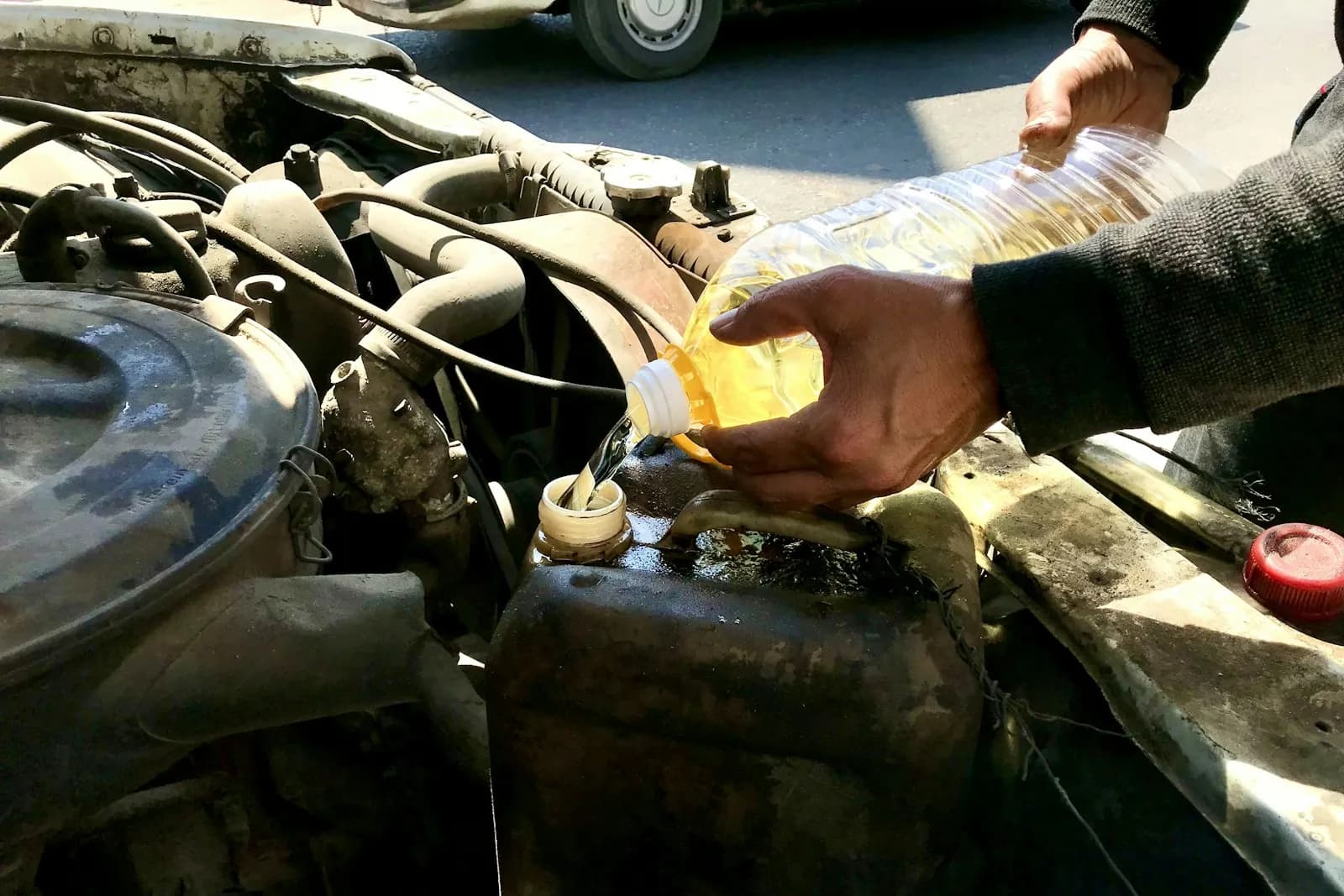
Transmission fluid is usually red or reddish-brown, and unlike engine oil, a transmission doesn't burn through fluid as part of normal operation. If it's low, it's leaking. Look for spots under the middle of the vehicle after it's been parked overnight. Running low on fluid is the fastest way to turn a small leak into real internal damage, so this one is worth acting on quickly.
4. A burning smell
Overheated transmission fluid gives off a sharp, burnt odor, and fluid that's overheating has lost its ability to lubricate and cool the parts it's supposed to protect. Towing, hauling, and lots of stop-and-go driving all push fluid temperatures up. If you catch a burning smell after a drive, have the fluid checked before more damage sets in.
5. Unusual noises
Whining, humming, or clunking, especially a hum or whine while the car sits in neutral, can point to transmission wear. In a manual, grinding during shifts often means clutch or synchronizer trouble. Not every new noise is the transmission (more on that below), but any sound that wasn't there last month deserves a listen from someone who hears them every day.
6. Shuddering
A shudder or vibration under light acceleration, often around highway-merge speeds, is a classic early symptom, frequently traced to the torque converter. Caught early, a fluid service sometimes clears it up. Left alone, that same shudder slowly wears away the clutch material inside the transmission.
7. A warning light
Many vehicles turn on the check engine light, or a dedicated transmission temperature light, well before you can feel anything wrong. The computer often stores transmission trouble codes early, and a diagnostic scan reads them in minutes. If the light is flashing or the vehicle drops into limp mode, don't keep driving on it. Get it looked at right away.
What can be mistaken for transmission problems?
Quite a bit, honestly. An engine misfire can feel exactly like slipping. Worn engine or transmission mounts clunk like a hard shift. A failing wheel bearing hums like transmission whine, and out-of-balance tires can shudder like a torque converter. That's why a proper diagnosis matters. More than once we've seen a driver braced for major transmission work when the real fix was far simpler.
What should you do next?
Start with the basics: a fluid check and a diagnostic scan will identify most problems, and many early-stage issues are resolved with a fluid service. Most vehicles call for fresh fluid every 30,000 to 60,000 miles anyway. If it does turn out to be major, the decision comes down to rebuilding or replacing the transmission, and the right call depends on your vehicle, its mileage, and how long you plan to keep it.
Noticing any of these seven signs? Our transmission fluid service team in St. Joseph, serving the St. Cloud area, will check your fluid first and tell you straight if it looks like more than that, no pressure. Call (320) 363-7246 or request an appointment online.