The preventive maintenance that matters most is the simple, unglamorous stuff: oil changes on schedule, tire rotations every 5,000-6,000 miles, brake checks, battery testing before winter, and fresh fluids. None of it is exciting, but those few services prevent most of the breakdowns that roll into our shop. Here's why staying ahead of them pays off.
What counts as preventive maintenance?
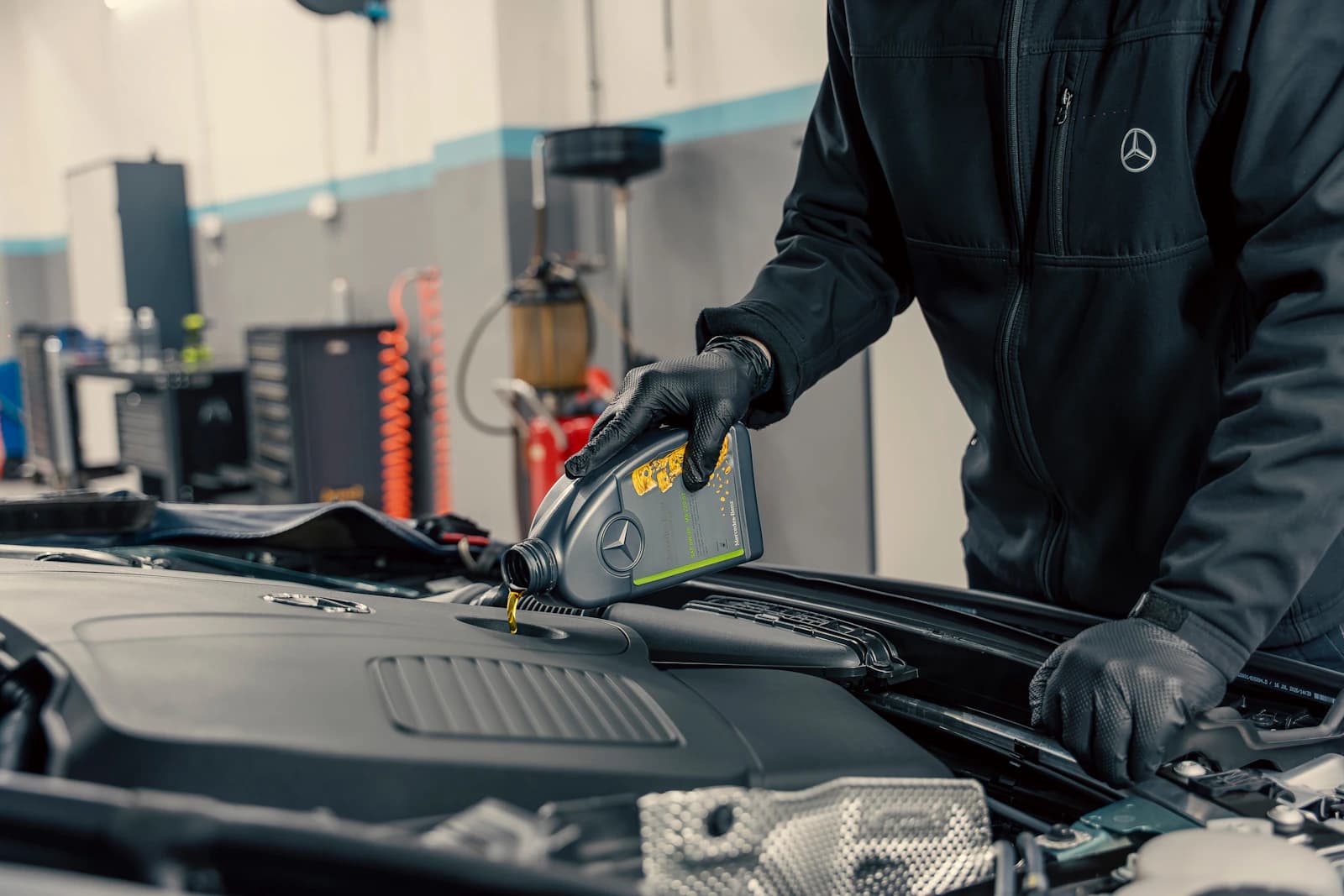
Preventive maintenance is any service you do before something fails: changing oil and filters, rotating tires, replacing worn-out fluids, swapping belts, hoses and wiper blades on schedule. A repair fixes what already broke; maintenance keeps it from breaking in the first place. Same car, same parts — very different day at the shop.
Does preventive maintenance really save money?
Almost always, yes, because small services protect big components. Oil is the cheapest thing in your engine; run it too long and you're wearing down the most expensive thing you own. Replace brake pads on time and the rotors underneath often survive; wait until you hear grinding and you're usually buying both. Rotate your tires regularly and all four wear evenly, instead of two wearing out ahead of the others.
Exact numbers depend on your vehicle, but the pattern holds across everything we work on: fluids and wear items are the inexpensive part, and the components they protect are not.
What happens if you skip it?
Problems cascade. Low coolant becomes an overheated engine. Tired transmission fluid — most vehicles want it changed roughly every 30,000-60,000 miles — becomes hard shifting, and eventually transmission work. A weak battery that would have shown up in a quick test becomes a no-start in a parking lot.
In Minnesota, the timing makes it worse. Parts don't tend to give up on a mild Tuesday in June. Cold snaps are hard on batteries, and snow and ice punish worn tread and thin brake pads at exactly the moment you need them most. Maintenance you do in October is a lot more pleasant than a breakdown in January.
How do you know what your car needs, and when?
Start with your owner's manual. The factory schedule lists what's due at each mileage, and following it also protects your manufacturer's warranty. For a plain-English walkthrough of what's due when, including the bigger 30/60/90k services, see the car maintenance schedule we put together.
Between those milestones, the honest answer is: let people who see your car regularly keep an eye on it. When your vehicle is in for an oil change or a rotation, that's the natural time to have the brakes, belts, hoses and fluids looked over too.
Where should you start if you're behind?
Don't try to catch up on everything at once. Start with the safety items (brakes and tires), then fluids, then the rest. If you're not sure what's overdue, call us at (320) 363-7246 or stop in and we'll take a look and give you an honest priority list: what needs attention now, what can wait a while, and what's fine as-is. Our scheduled maintenance service covers the factory-recommended items so you don't have to keep track of them yourself.
Preventive maintenance isn't about spending more on your car. It's about spending on your schedule instead of the tow truck's. Request an appointment and we'll help you stay ahead of it.