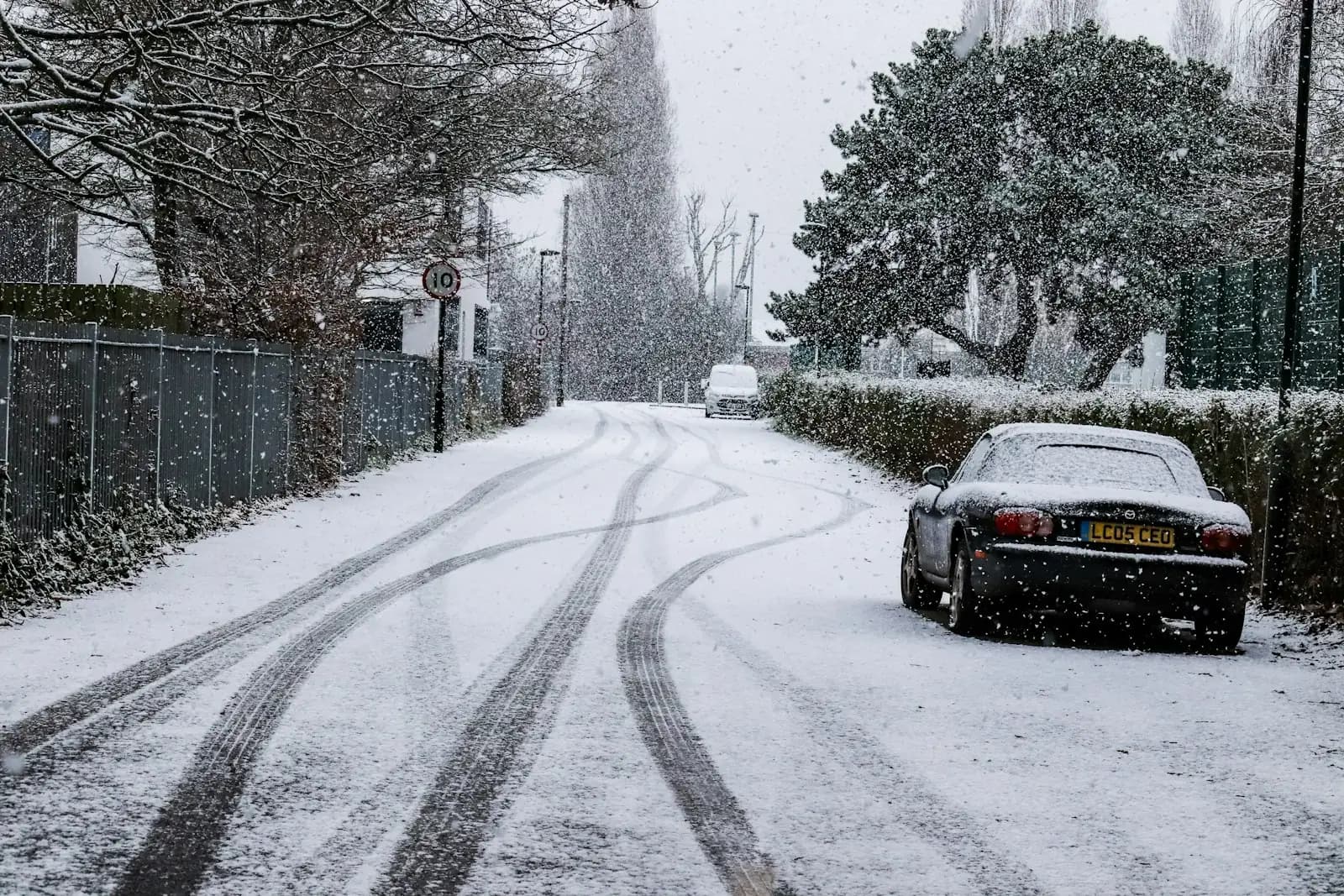
If your transmission is shifting hard when cold, the most likely explanation is simple: transmission fluid thickens in freezing temperatures, and until it warms up and circulates fully, shifts can feel stiff, delayed or clunky. In a Minnesota January, a little morning stiffness during the first few minutes of driving is normal. Hard shifting that continues after the vehicle is fully warmed up isn't. That's your cue to have it looked at.
Minnesota is hard on transmissions from both directions. Deep cold thickens the fluid every winter morning, and summer towing season pushes fluid temperatures the other way. Here's what each one looks like from the driver's seat, and what to do about it.
Why is my transmission shifting hard when cold?
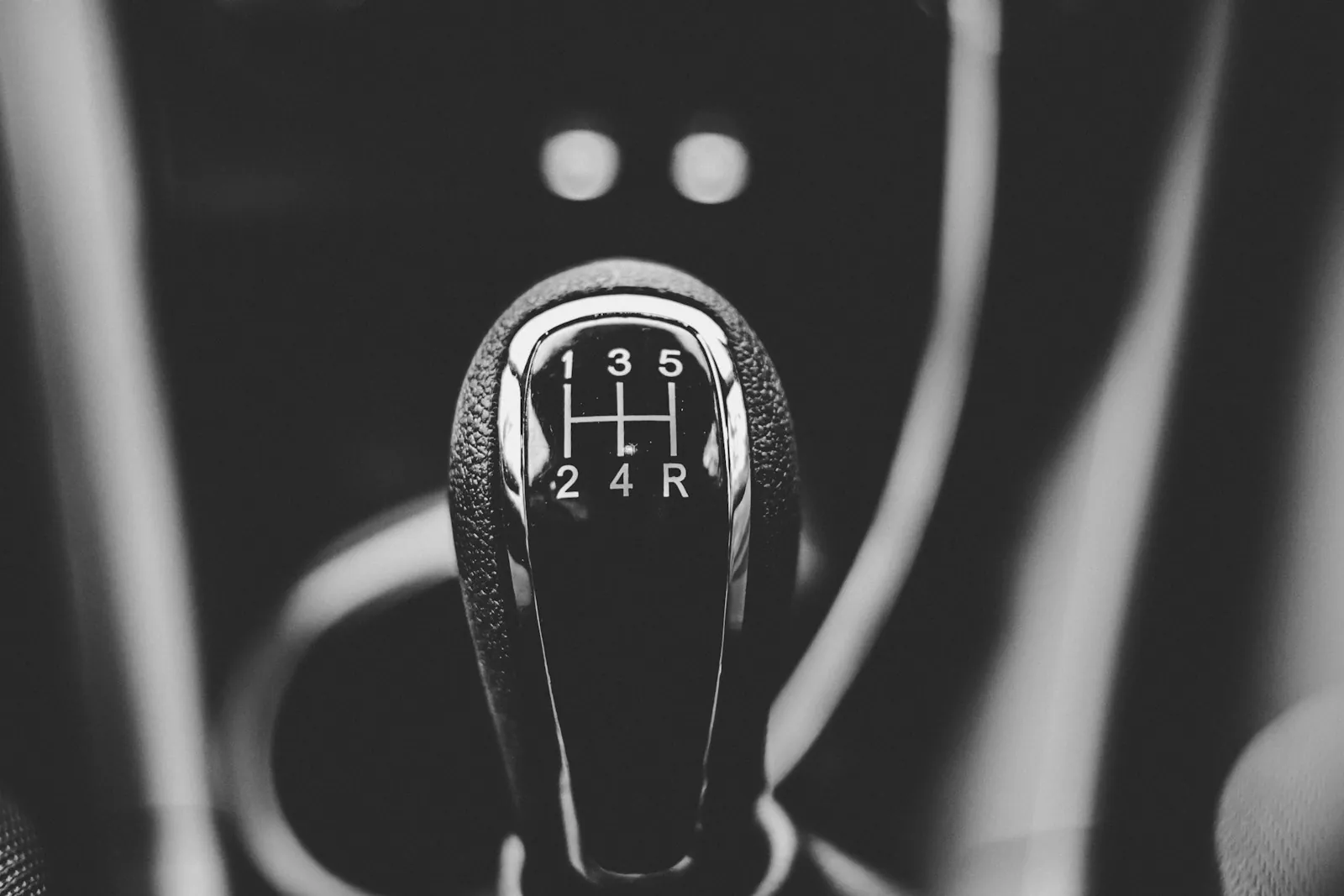
Automatic transmissions depend on fluid pressure to shift. In deep cold that fluid thickens and moves slowly, so the transmission takes longer to build pressure and protect its moving parts. The result: firm or delayed shifts, a pause when you move from park into drive or reverse, and higher-feeling shift points until everything warms up. Manual drivers feel it too: cold gear oil makes the shifter notchy and stubborn for the first few miles.
The fix for normal cold behavior is patience, not parts. Let the engine idle for thirty seconds to a minute, then drive gently for the first several minutes. Easy driving warms the fluid faster than idling in the driveway, and it goes easy on the transmission until the fluid can do its job. Long warm-up idles don't help much. The fluid barely warms until the vehicle is moving.
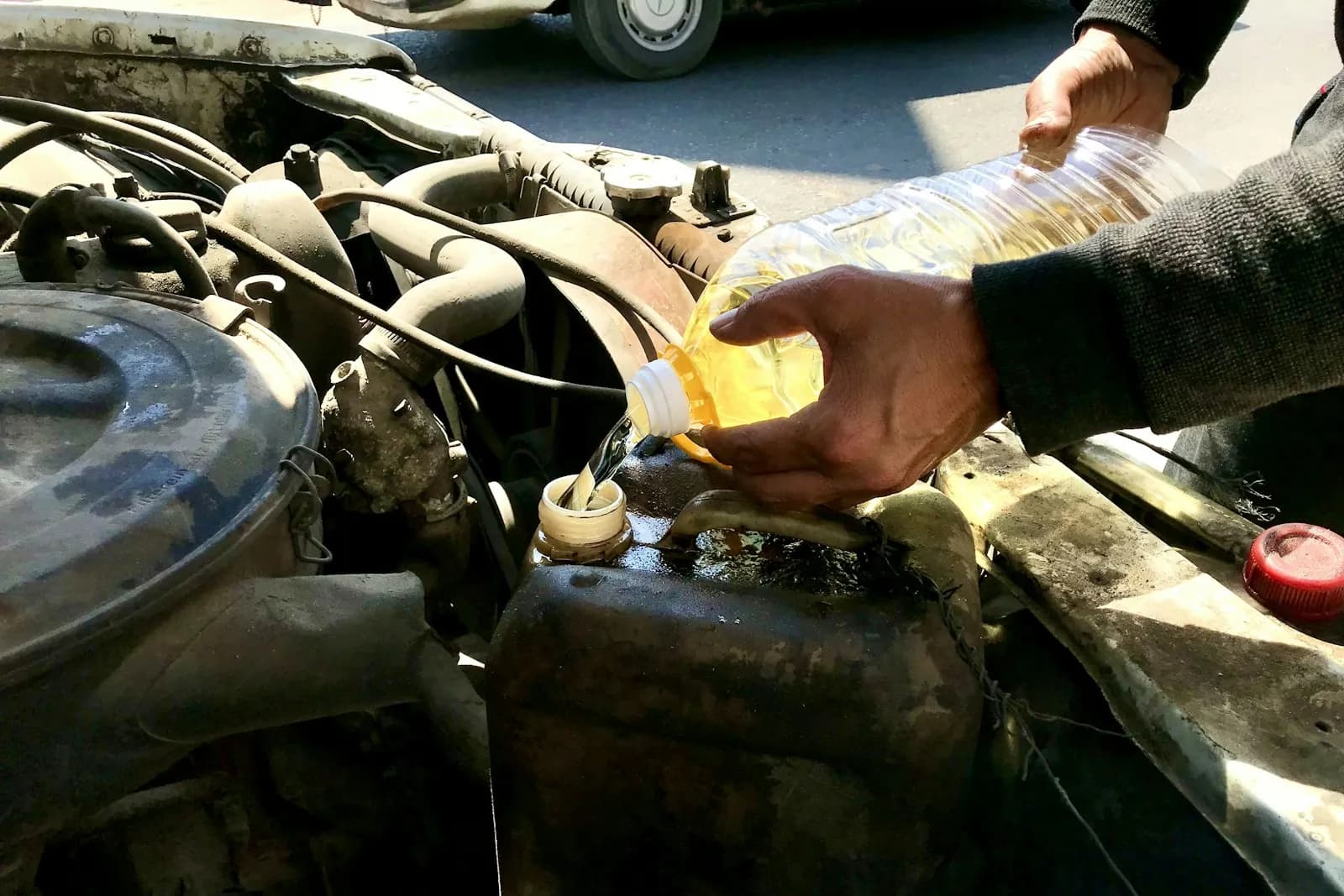
When should you worry? If hard shifting continues after fifteen or twenty minutes of driving, if it's getting worse from week to week, or if it shows up in mild weather too, the fluid itself may be the problem. Old, degraded fluid loses its protective additives, which makes cold-weather symptoms worse and eventually shows up year-round. Most vehicles call for fresh fluid roughly every 30,000 to 60,000 miles. Our transmission fluid guide covers the intervals and warning signs in detail.
What are the symptoms of a transmission overheating?
Summer flips the problem. Nothing shortens an automatic transmission's life faster than overheated fluid, and towing season — boats to the lake, campers, loaded trailers — is when fluid temperatures climb fastest. Hot fluid breaks down quickly, and once it does, it stops protecting the parts it's supposed to cool and lubricate.
Watch for these signs while towing or hauling: a burning smell, often sharp and slightly sweet; slipping between gears, or the engine revving without the vehicle accelerating to match; delayed or harsh engagement; dark brown fluid on the dipstick; and a transmission-temperature warning light if your vehicle has one.
If you notice any of these on the road, the safest move is to pull over, let the vehicle idle in park or shut it off, and give the transmission time to cool before you continue. Then get the fluid checked soon. Fluid that has overheated once has aged prematurely, even if the truck seems to drive fine afterward.
If you tow regularly, tell us. Towing counts as severe use, which shortens fluid-change intervals, and on some vehicles an auxiliary transmission cooler is a worthwhile upgrade. Our transmission service covers fluid checks, fluid changes and honest advice on what your setup actually needs, no pressure either way.
Whether it's a January cold snap or a July run to the lake, the best defense is the same: fluid that's fresh, clean and at the correct level. If your transmission is shifting hard, slipping or smelling hot, request an appointment or call us at (320) 363-7246 and we'll take a look.