For most drivers, premium tires are worth it, especially in Minnesota, where wet and snow traction aren't nice-to-haves. Better rubber compounds and tread designs usually mean shorter stopping distances, a quieter ride and more miles before replacement. But "expensive" isn't the same as "right." There are plenty of drivers for whom a well-made budget tire is the smarter buy, and a few situations where paying top dollar buys you almost nothing. Here's how to think it through.
What do you actually get when you pay more for a tire?
Mostly, you're paying for engineering. Premium tires tend to use more advanced rubber compounds that stay grippy in the wet and flexible in the cold, tread patterns tuned to channel water and bite into snow, and tighter manufacturing tolerances that make for a quieter, smoother ride. They also typically carry higher treadwear ratings and longer mileage warranties from the manufacturer.
The difference shows up most where it matters most: braking. On a dry July highway, a cheap tire and a premium tire feel similar. On a slushy road in January, the gap in stopping distance can be the difference between a close call and a claim. If you drive year-round in Central Minnesota, that's the strongest argument for spending more.
When is a cheap tire good enough?
Plenty of times. If you put limited miles on the vehicle, plan to sell it soon, or run a second car that mostly sees town speeds, a quality budget or mid-tier tire is a safe, sensible choice. The key word is quality: there's a big difference between a value tire from an established maker and a no-name tire with nothing behind it. We stock both ends of the range — established names like Nexen, Kumho and Sumitomo alongside value brands like Blackhawk and GreenMax — because different drivers genuinely need different tires.
Are there tire brands to avoid?
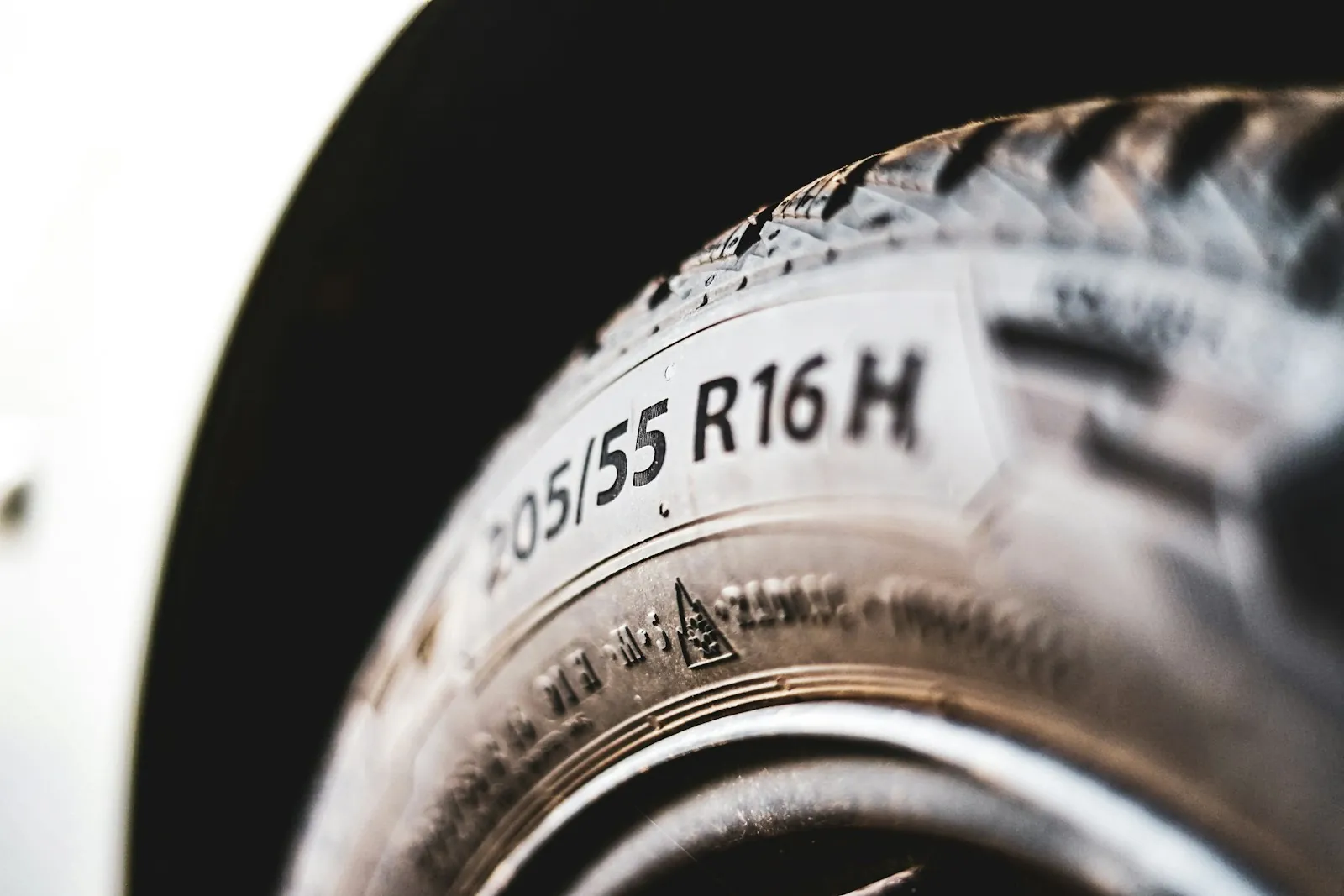
We won't name names, and honestly, the brand matters less than the red flags. Be careful with no-name imports that have no track record, no established dealer network and no one to stand behind the tire if something goes wrong. Check for UTQG markings on the sidewall: aside from dedicated winter tires, which are exempt from the grading system, legitimate passenger tires are graded for treadwear, traction and temperature. An all-season tire missing those markings deserves a hard pass.
Also check the DOT date code. Every tire is stamped with the week and year it was built, and "new" bargain tires are sometimes old stock that sat in a warehouse for years. Rubber ages whether it's driven on or not. Most tires should be replaced by around six years old regardless of tread. If you're not sure where to look, here's how to read the date code on your sidewall. A deal on a tire that's already halfway through its safe lifespan isn't a deal.
Which costs less per mile: cheap or expensive tires?
This is the math that makes premium tires easier to swallow. What a tire really costs isn't the sticker price. It's the price divided by the miles it delivers. Tires last anywhere from roughly 40,000 to 75,000 miles depending on quality, vehicle and driving habits, and premium tires generally sit at the top of that range. A bargain set you replace twice as often isn't a bargain, and that's before you count the extra mounting and balancing along the way.
There's one honest exception: low-mileage drivers. If you only drive a few thousand miles a year, your tires will age out before the tread wears out, so paying extra for a long-wearing tire buys mileage you'll never use. In that case, a solid mid-range tire with good traction ratings is often the best value on the wall.
How to decide
Ask yourself four questions: how many miles do you drive a year, how long are you keeping the vehicle, what do your winters look like, and is this your primary car or a backup? Lots of highway miles, a long-term vehicle and year-round Minnesota driving all point toward premium. Low miles, a short-term vehicle or a fair-weather second car point toward value.
Either way, keep all four tires matched in size and type, and rotate them every 5,000 to 6,000 miles so whatever you buy lasts as long as it should.
You can browse tires by size to compare options across brands and price points, or call us at (320) 363-7246 and tell us your vehicle and how you drive. We'll give you an honest recommendation for your budget. No pressure, no upsell.