If you drive through a full Minnesota winter, dedicated winter tires are the safest choice, and all-season tires are the convenient one. All-seasons handle spring, summer and fall just fine and can get by in light snow, but on ice and packed snow a true winter tire stops and corners dramatically better. All-weather tires split the difference for drivers who don't want to run two sets. Here's how to choose, when to make the swap, and what Minnesota law actually says about studs.
What's the difference between winter and all-season tires?
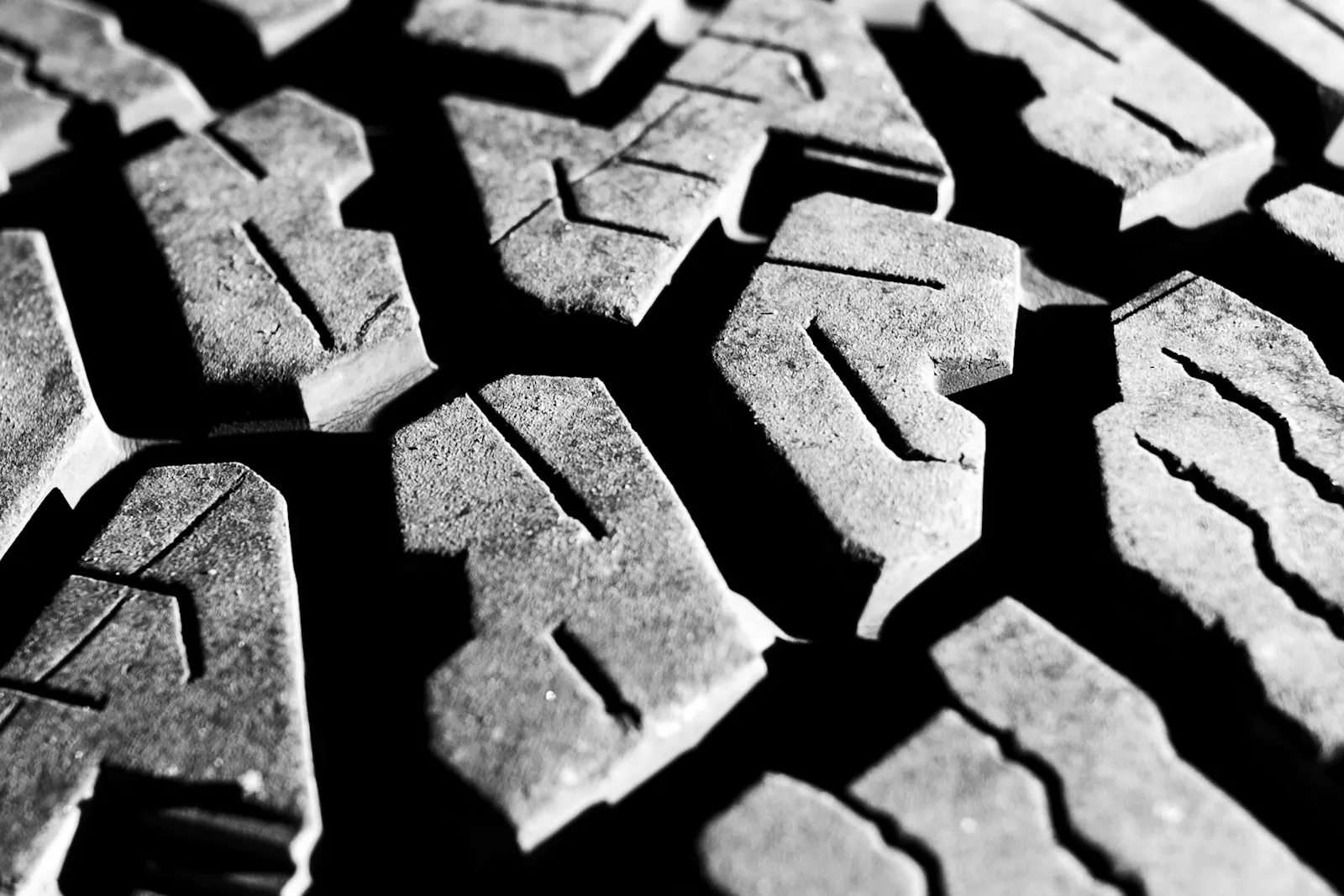
It comes down to rubber and tread. Winter tires use a softer compound that stays flexible below freezing, plus deep tread blocks and thousands of tiny slits called sipes that bite into snow and ice. All-season tires use a harder compound built to last through warm months. Below about 45 degrees it stiffens and grips noticeably less. In a climate like ours, "all-season" really means "three-season."
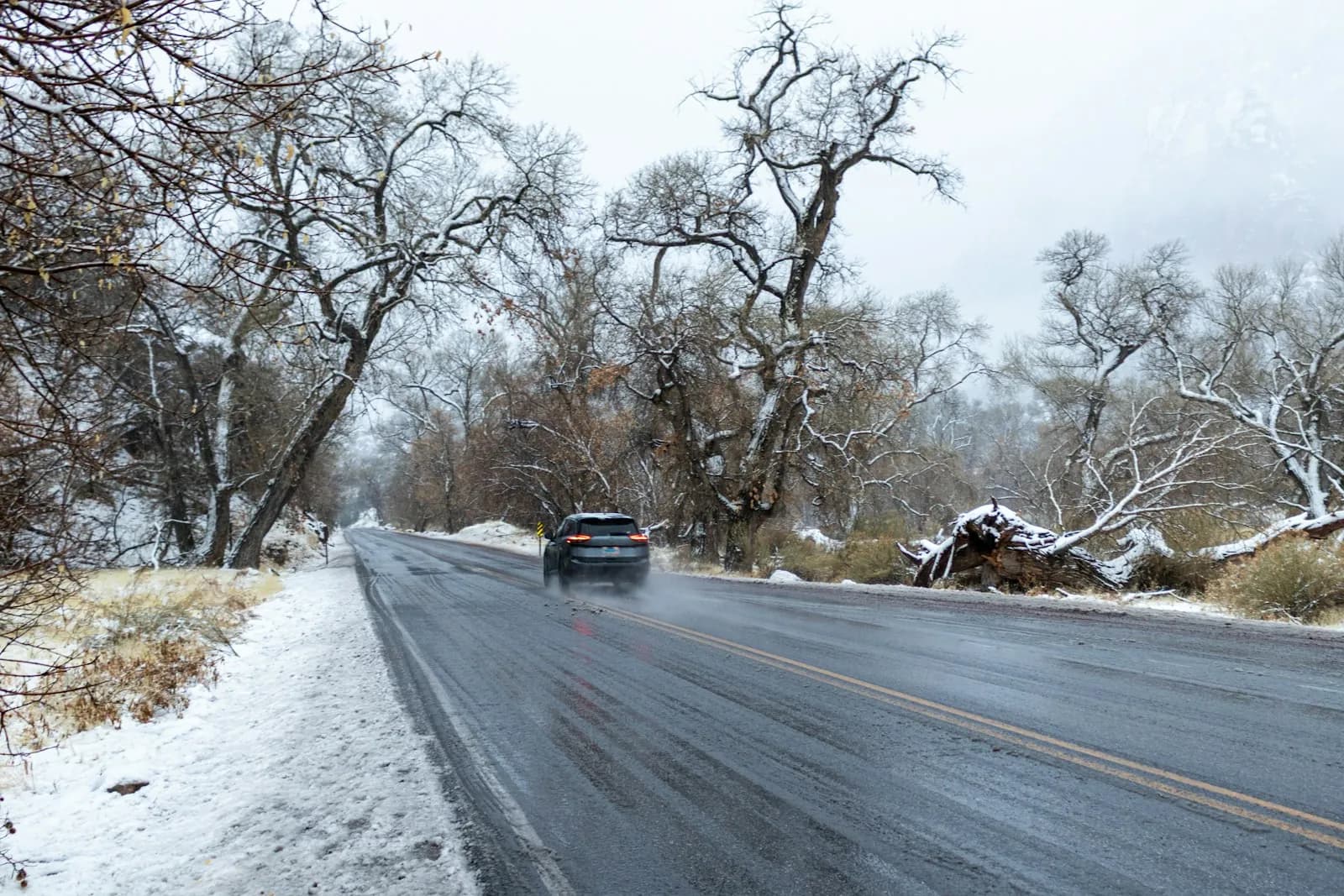
If you regularly drive on ice, unplowed township roads, or dark rural highways in January, a dedicated set of winter tires is a genuine safety upgrade. Many of our customers keep their winters mounted on a second set of basic steel wheels. The seasonal swap goes faster, the tires last longer because nothing gets dismounted and remounted twice a year, and the wheels tend to pay for themselves over a few seasons.
Are all-weather tires a good middle option?
Yes. For a lot of drivers, all-weather tires are the practical middle ground. They carry the three-peak mountain snowflake (3PMSF) symbol, which means they've passed a real severe-snow traction test, and unlike winter tires they're designed to stay on year-round. No second set of wheels, no spring and fall appointments.
The trade-offs are honest ones: an all-weather tire won't match a dedicated winter tire on ice, and one set doing all four seasons means one set doing all the wearing. But if you mostly drive plowed streets and want real snow capability without the two-set routine, all-weathers are a big step up from all-seasons. Brands we carry, including Kumho and Nexen, make well-regarded all-weather models, and we can match one to your vehicle.
When should you switch to winter tires in Minnesota?
Go by temperature, not the calendar. Once daytime highs stay below about 45 degrees, winter tires outperform all-seasons even on dry pavement. In central Minnesota that usually means putting them on in late October or November. Swap back once spring temps hold above 45, typically in April.
Two tips from the shop floor: don't wait for the first big snowfall, because that's when everyone else calls too. And don't run winter tires through summer: the soft compound wears fast on hot pavement and the handling gets vague.
Are studded tires legal in Minnesota?
No. For most drivers, studded tires are illegal in Minnesota. State law prohibits metal-studded tires on vehicles registered in Minnesota year-round, with only narrow exceptions, such as rural mail carriers who obtain a permit. Vehicles registered in another state or country are exempt while visiting, but if your car or truck is registered here, studs aren't an option in any season.
Tire chains are a different story: Minnesota allows chains of reasonable proportions when snow or ice makes them necessary for safety. And the good news is that modern studless winter tires grip ice far better than the studded tires of decades past. You're not giving up as much as you'd think.
Match the tire to how you actually drive
A daily commuter, a work truck and a weekend hauler all want different tires. Consider your typical loads, the roads you drive, and how many miles you put on each year. Touring tires favor comfort and tread life; all-terrains add grip off the pavement, and a growing number of them carry the 3PMSF snowflake rating too.
Not sure where to start? Tell us your vehicle and how you drive and we'll walk you through the options, no pressure. You can browse tires by size or vehicle online, or request a time for a seasonal changeover. Questions? Call us at (320) 363-7246.