Replace your tires when the tread wears down to about 4/32 of an inch, before it hits the 2/32-inch legal minimum, or when the tires reach roughly six years old, whichever comes first. Cracked or bulging sidewalls, exposed wear bars, and a new vibration at highway speed are also signs it's time. Your tires are the only part of your vehicle that touches the road, and every one of these checks takes just a couple of minutes.
How long do tires last?
Most tires last somewhere between 40,000 and 75,000 miles, about four to six years of typical driving. Where you land in that range depends on the tire (touring tires generally outlast performance tires), the roads you drive, and how well the tires are cared for. Underinflation, skipped rotations, and an out-of-spec alignment can all cut tire life short.
The good news: the basics really do stretch tire life toward the high end. Rotate every 5,000 to 6,000 miles, keep pressure set to the number on your driver's-door placard (not the max printed on the sidewall), and get an alignment checked if you notice uneven wear or the vehicle pulling to one side.
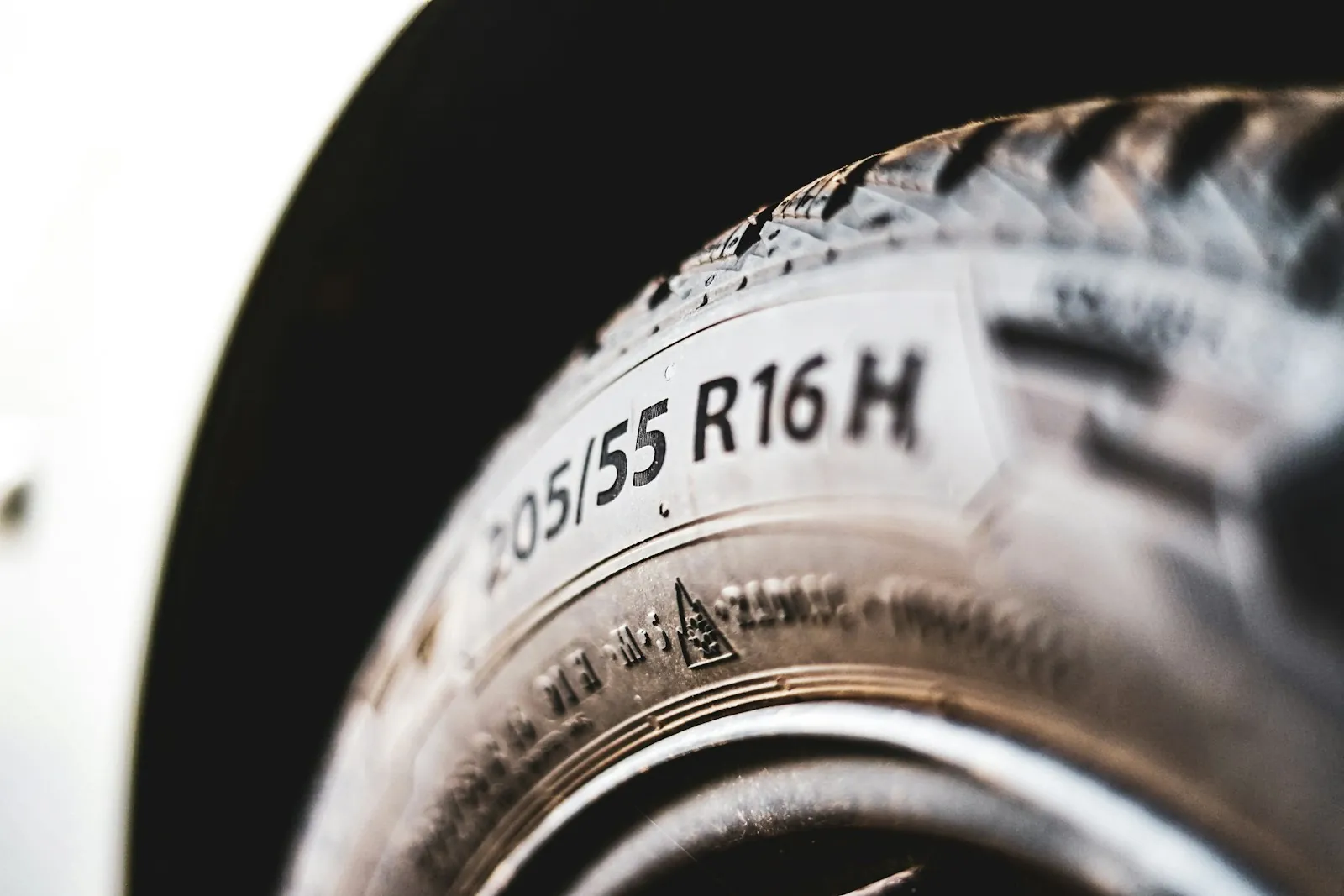
Tires also age out regardless of tread. Rubber dries and hardens over time — Minnesota's swings from subzero winters to hot summers don't help — so plan on replacement around the six-year mark even if the tread still looks decent. To find a tire's age, check the DOT code on the sidewall: the last four digits are the week and year it was built, so 3521 means the 35th week of 2021. Our guide to reading tire sidewalls breaks down the whole code.
How much tread depth do you need?
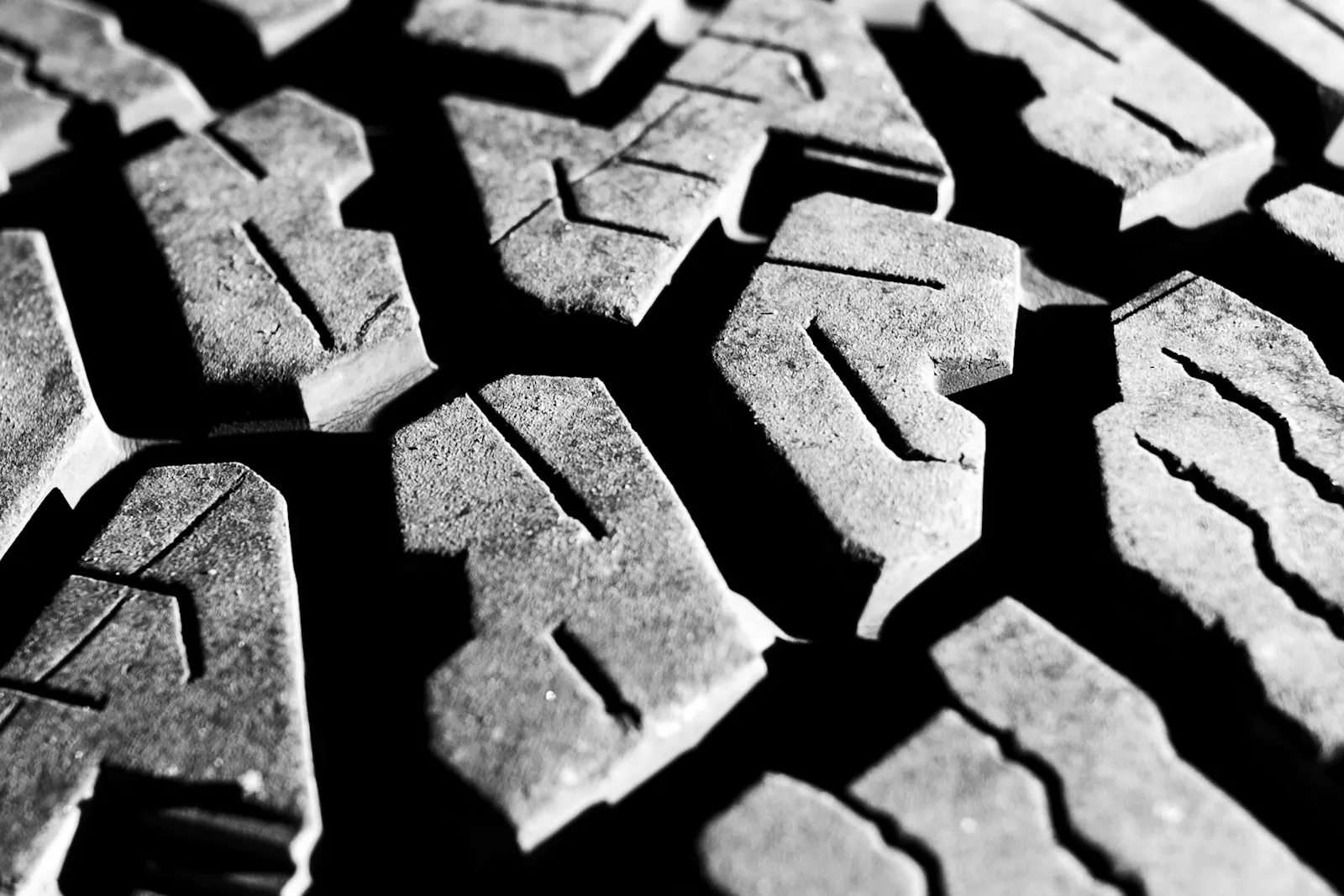
New tires start with roughly 10/32 to 12/32 of an inch of tread. The legal minimum is 2/32, the point where the built-in wear bars sit flush with the tread. But waiting until the legal limit is risky, because wet braking and snow traction fall off well before then. We recommend replacing around 4/32, especially heading into a Minnesota winter.
Two quick self-checks. The penny test: insert a penny into a tread groove with Lincoln's head down. If you can see the top of his head, you're at or below 2/32 and the tire is unsafe now. The quarter test: same idea with Washington's head. If the top of his head is visible, you're around 4/32 and it's time to start shopping.
Check a few grooves across each tire: inner, center, and outer. If one edge is noticeably more worn than the other, that usually points to an inflation or alignment problem worth fixing before it eats your next set too.
What other warning signs mean it's time?
Tread depth and age are the big two, but give the whole tire a look while you're down there. Cracks in the sidewall or between the tread blocks mean the rubber is drying out. A bulge or blister in the sidewall signals internal damage. That tire can fail suddenly and should be replaced right away, not watched. Uneven or cupped wear, a vibration that shows up at speed, or a tire that keeps losing air week after week are all worth having checked.
Some of those problems have cheaper fixes than a new set: a slow leak might be a repairable puncture, and a vibration might just need a wheel balance. That's why it pays to have someone look before you assume the worst.
Not sure where your tires stand? Stop by our St. Joseph shop and we'll take a look and give you an honest answer. If a rotation or repair will do the job, that's what we'll tell you. If it is time, you can shop tires by size online, request an appointment, or call (320) 363-7246 and we'll help you find the right fit for how you drive.