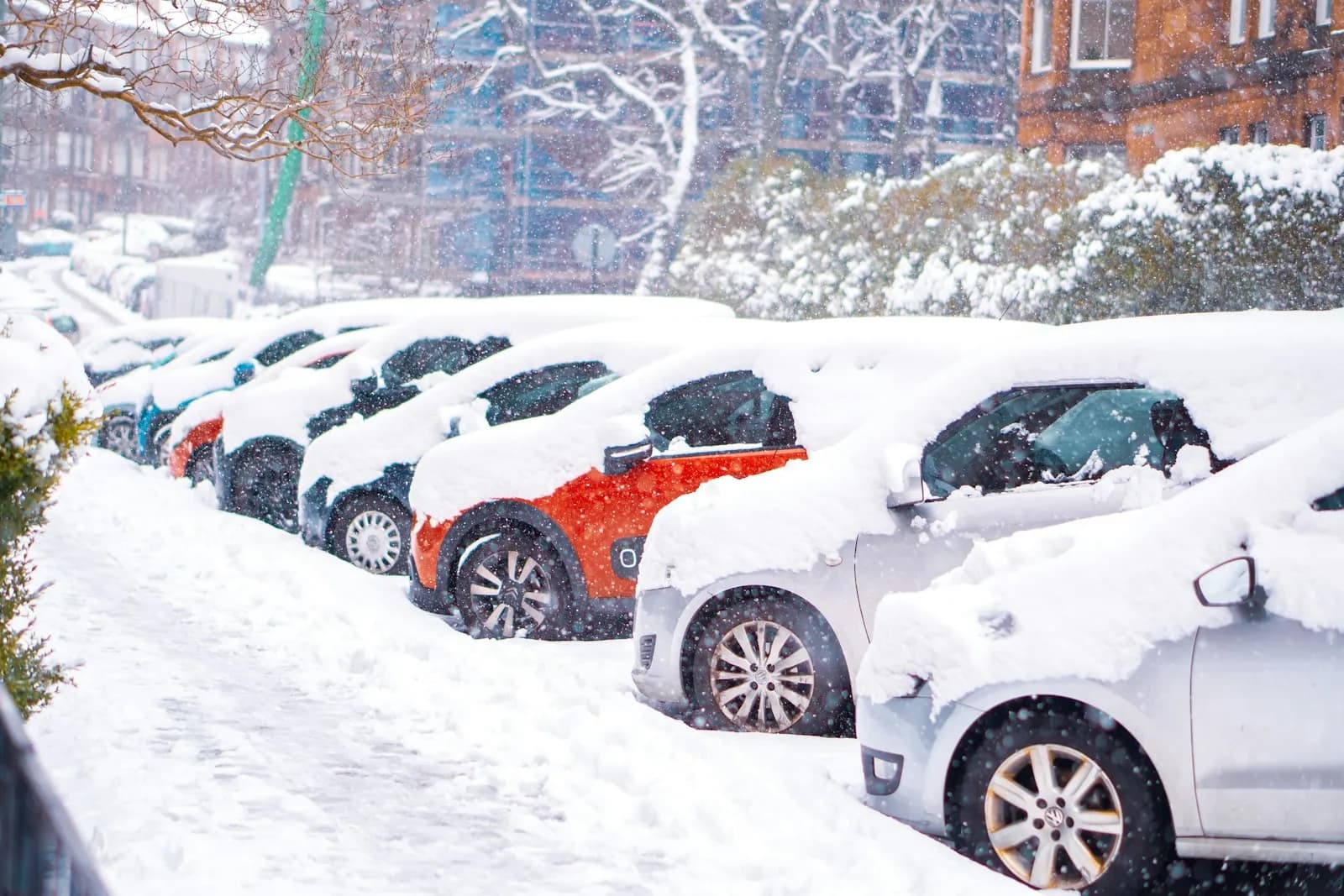
Getting a car ready for a Minnesota winter comes down to five things: a battery that starts in the cold, tires with enough tread to grip snow, fluids that won't freeze, wipers that actually clear the glass, and an emergency kit in case something goes wrong anyway. Run through this checklist in October or early November, before the first hard freeze, and you'll head into the season with a lot less to worry about.
1. Test the battery
Cold weather is when weak batteries fail. An engine needs more cranking power to turn over in the cold, right when the battery has less to give, which is why a battery that started fine all summer can quit on the first below-zero morning.
Most car batteries last three to five years. If yours is in that window, or you've noticed slow cranking or dimming lights, have it tested before deep winter sets in. Our battery service can tell you whether your battery has another winter in it, and whether the alternator is keeping it charged.
2. Check your tires: tread and pressure
Snow traction depends on tread depth. The legal minimum is 2/32 of an inch, but tires stop gripping snow and slush well before that. If you're at or near 4/32, plan on replacing before winter, not after.
Watch your pressure, too. Tire pressure drops about 1 PSI for every 10°F drop in temperature, so tires set in September can be meaningfully low by Thanksgiving. Check monthly through the winter and inflate to the number on the driver's door jamb placard, not the maximum printed on the sidewall.
If you drive rural roads, early shifts, or just want the shortest stopping distance on ice, dedicated winter tires are a genuine safety upgrade. Our guide to winter vs. all-season tires walks through how to decide. Many drivers mount their winters on a second set of wheels so the seasonal swap is quick.
3. Top off fluids and switch to winter washer fluid
Have your coolant's freeze protection checked. A proper antifreeze mix protects the engine well below zero, while a diluted mix can leave you exposed on the coldest nights.
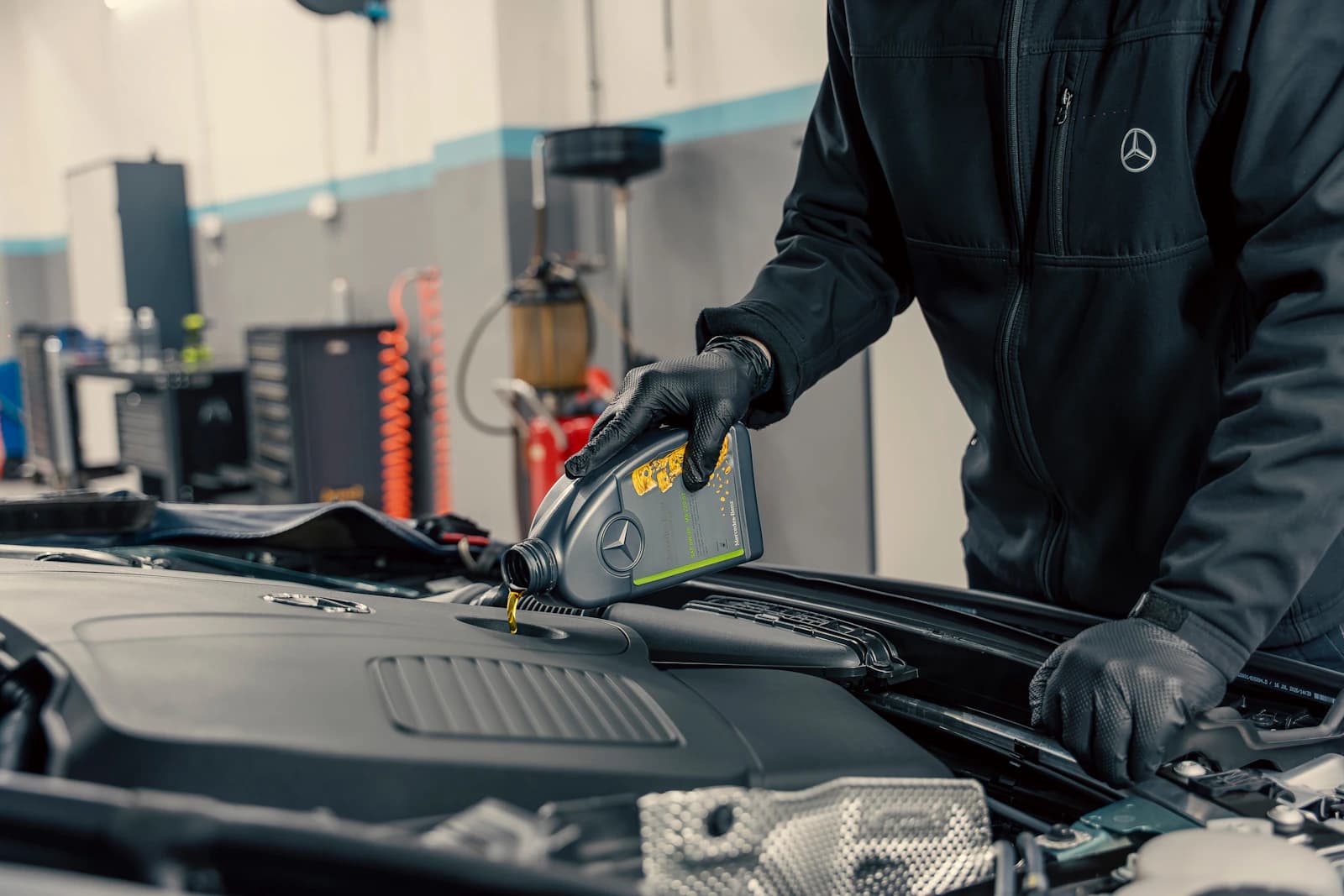
Swap in washer fluid rated for below-zero temperatures; summer fluid can freeze in the reservoir or right on the windshield when you need it most. And if you're close to an oil change, get it done in the fall. Fresh oil in the right viscosity flows better on cold starts.
4. Replace worn wiper blades
Wiper blades rarely survive more than a year of Minnesota sun, ice and scraping. If yours streak, chatter, or leave a film, replace them before the first snowfall. Winter blades with a rubber boot resist ice buildup on the frame.
While you're at it, make sure the heater and both defrosters, windshield and rear, actually work. A defroster that's weak in October will be useless in January.
5. Pack a winter emergency kit
Even a well-prepared car can slide into a ditch or die in a parking lot. Keep a kit in the trunk: jumper cables, a flashlight, an ice scraper and small shovel, a warm blanket plus spare hats and gloves, a bag of sand or cat litter for traction, a phone charger, and some water and non-perishable snacks.
Two more habits worth building: keep the gas tank at least half full through the winter, and let someone know your route before driving in bad weather outside town.
Want a hand working through the list? We've been getting Central Minnesota vehicles ready for winter since 1980. Call (320) 363-7246 or request an appointment and we'll go through the battery, tires, fluids and wipers in one visit, and give you an honest read on what's actually needed before the snow flies.