No, squeaky brakes don't always mean you need new pads, and no, your rotors don't automatically get replaced every time the pads do. Brakes attract more myths than almost anything else we work on, and believing the wrong one either costs you money or costs you safety. Here are the five we hear most often at the counter, and the truth behind each.
Myth 1: "Squeaking always means I need new pads"
Not always. A light squeak on the first few stops of a damp or frosty morning is usually just a thin layer of surface rust burning off the rotors, very common in Minnesota, and it disappears within a mile. Pads can also chirp from road dust or a glazed surface without being worn out.
That said, don't tune out every noise. A squeal that stays with you stop after stop is often the built-in wear indicator doing its job, and any grinding means pad material is gone and metal is touching metal. If a noise persists, here's how to know when you actually need new brakes.
Myth 2: "Rotors always get replaced with the pads"
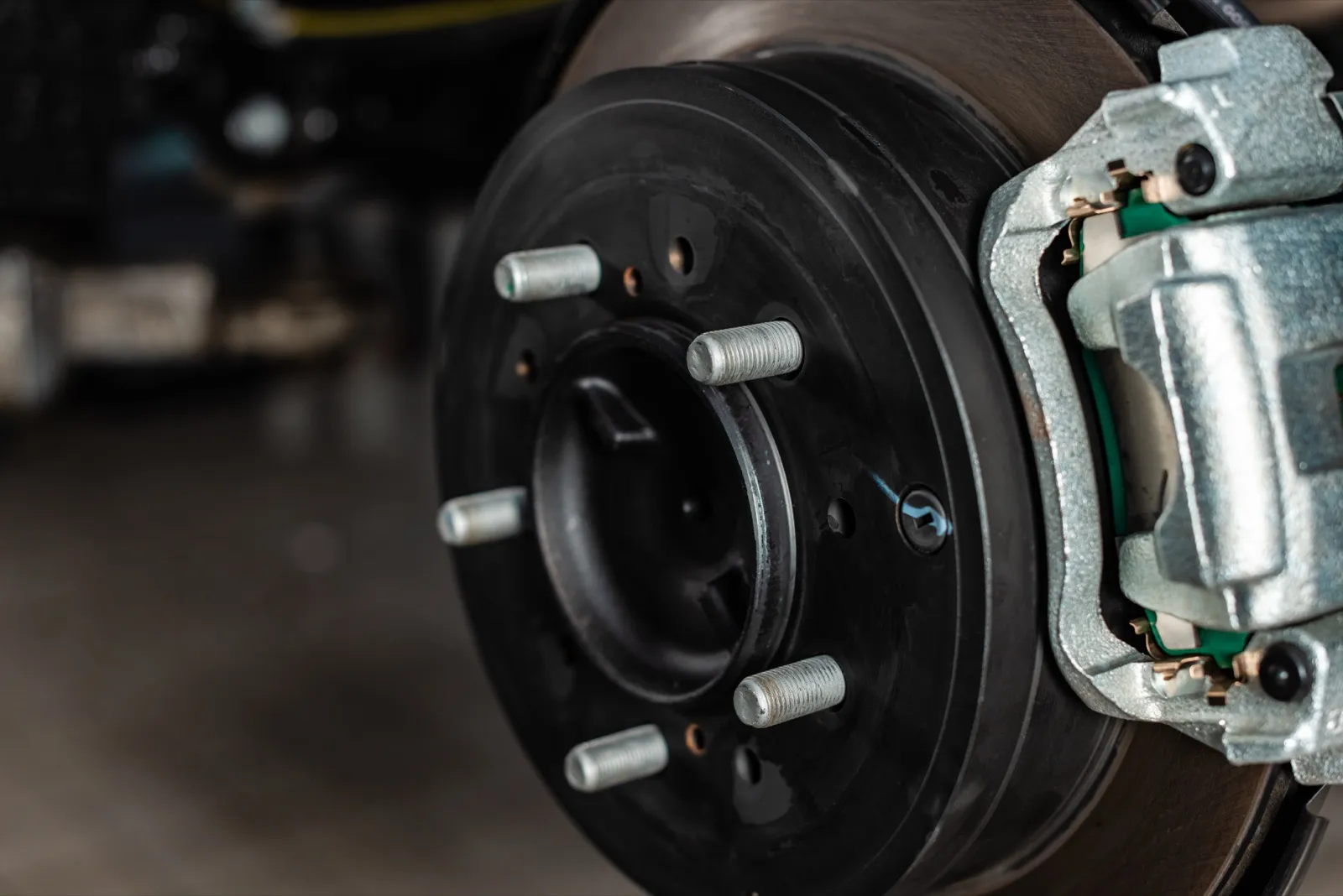
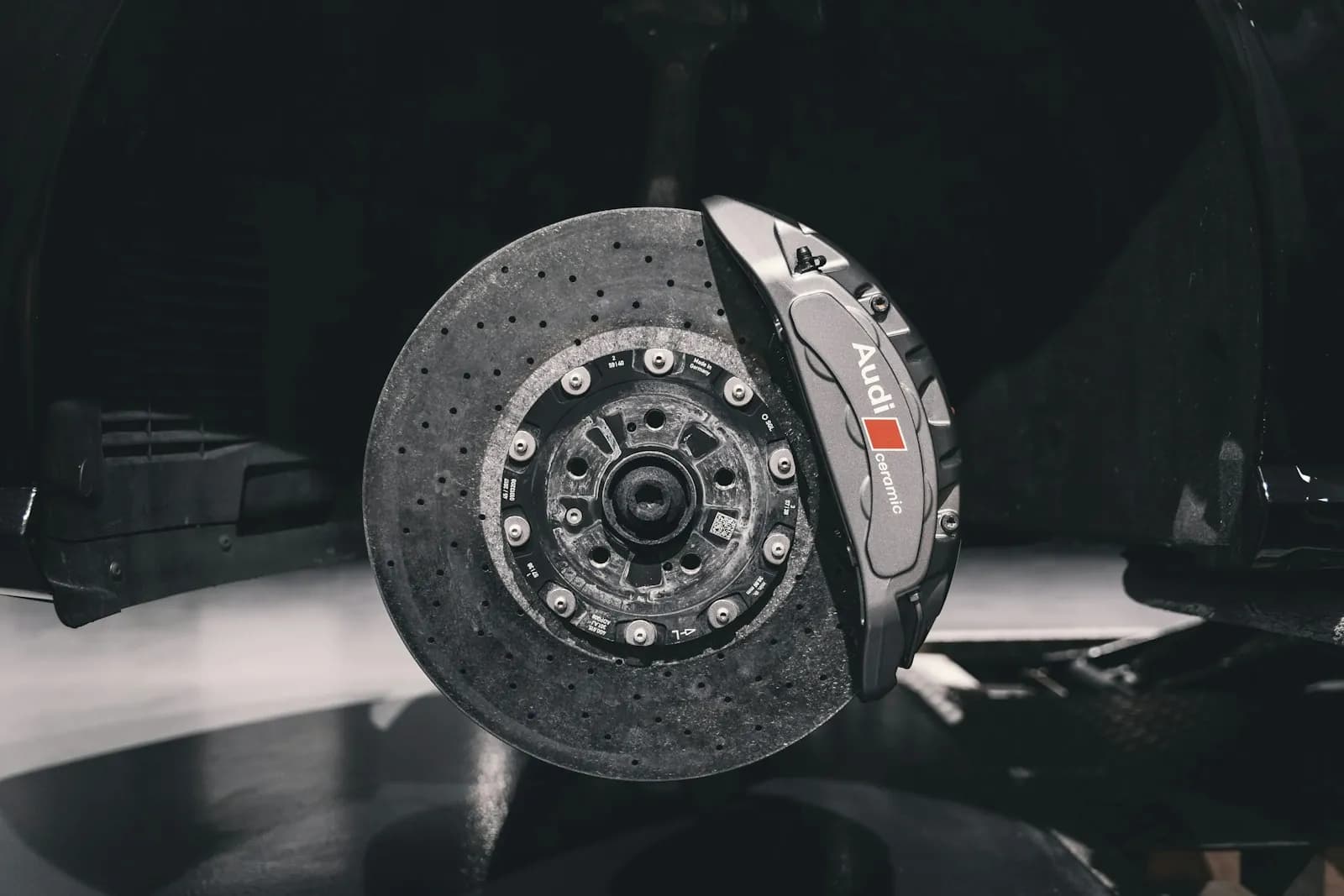
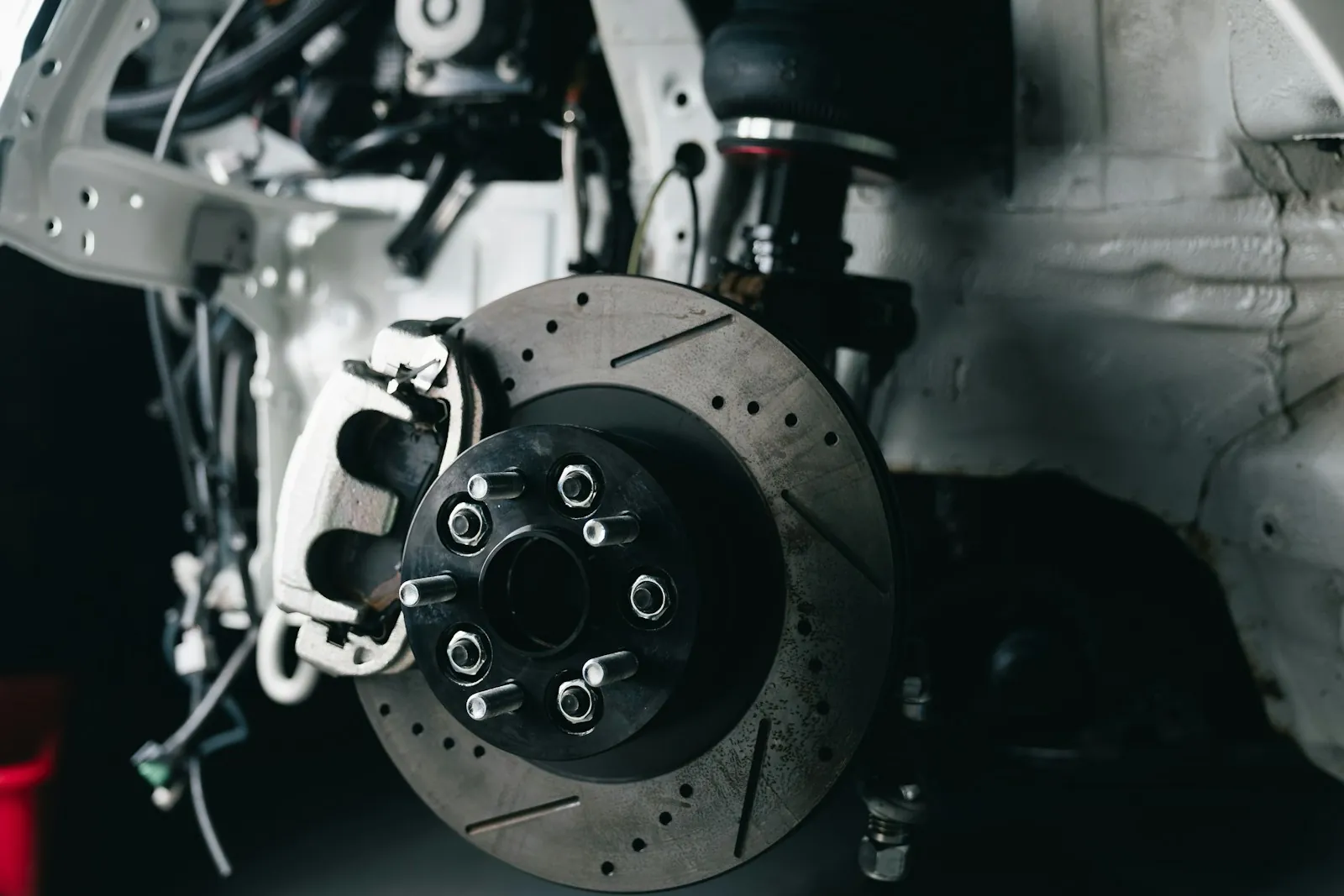
Rotors are a measurement call, not an automatic add-on. If they're thick enough, smooth and not warped, they can often be reused or machined and paired with fresh pads. Plenty of brake jobs are pads-only.
The honest flip side: many newer rotors are made thinner and can't take much machining, and a warped or scored rotor will ruin new pads fast. So sometimes replacing both really is the right answer. The difference is that it should come from a micrometer reading you can see, not a line on an estimate you're asked to take on faith.
Myth 3: "A soft pedal just needs the fluid topped off"
This one can get you hurt. Brake fluid doesn't get used up like washer fluid. If the level is low, the system is telling you something. As pads wear, the caliper pistons sit farther out and fluid fills the space, so a slowly dropping reservoir often means the pads are getting thin. A fast or repeated drop can mean a leak.
A spongy pedal has its own causes: air in the lines or fluid that's absorbed moisture over the years, both of which need bleeding or a fluid exchange, not a top-off. Topping off the reservoir hides the symptom while the real problem keeps developing. If your pedal feels soft or low, get the system inspected soon.
Myth 4: "You only need brakes checked when something feels wrong"
Brakes wear so gradually that your driving adjusts without you noticing. You press a little harder, a little earlier, every month. By the time something clearly feels or sounds wrong, thin pads may have already chewed into the rotors and turned a simple pad job into a bigger one.
A quick check about once a year, or whenever your tires are rotated, catches wear while it's still the cheap kind of problem. It takes little time, and our brake service page covers what a proper inspection looks at: pads, rotors, calipers, hoses and fluid.
Myth 5: "All brake pads are the same"
Pad materials vary widely: ceramic, semi-metallic and organic compounds each trade off stopping power, noise, dust, cold-weather bite and lifespan differently. It's a big part of why brake pads last anywhere from 25,000 to 70,000 miles. The bargain pad that squeals, coats your wheels in dust and wears out in half the time isn't a bargain.
We match the pad to your vehicle and how you drive it, and we won't install one we don't trust on our own trucks.
Straight answers, no upselling
Every one of these myths survives because drivers get vague answers. Our approach is simpler: we measure, we show you what we found, and we recommend only what the numbers support. If your brakes are squeaking, feeling soft, or just overdue for a look, call us at (320) 363-7246 or request an appointment. We'll give you the honest version.