You need new brakes when you hear a persistent squeal or grinding when you stop, feel a soft or spongy pedal, notice vibration through the pedal or steering wheel, or your car simply takes longer to stop than it used to. Any one of those signs is worth a look. Grinding is the one that shouldn't wait. Here's what each symptom is telling you, and how to know when it's time to replace your pads.
Why are my brakes squeaking?
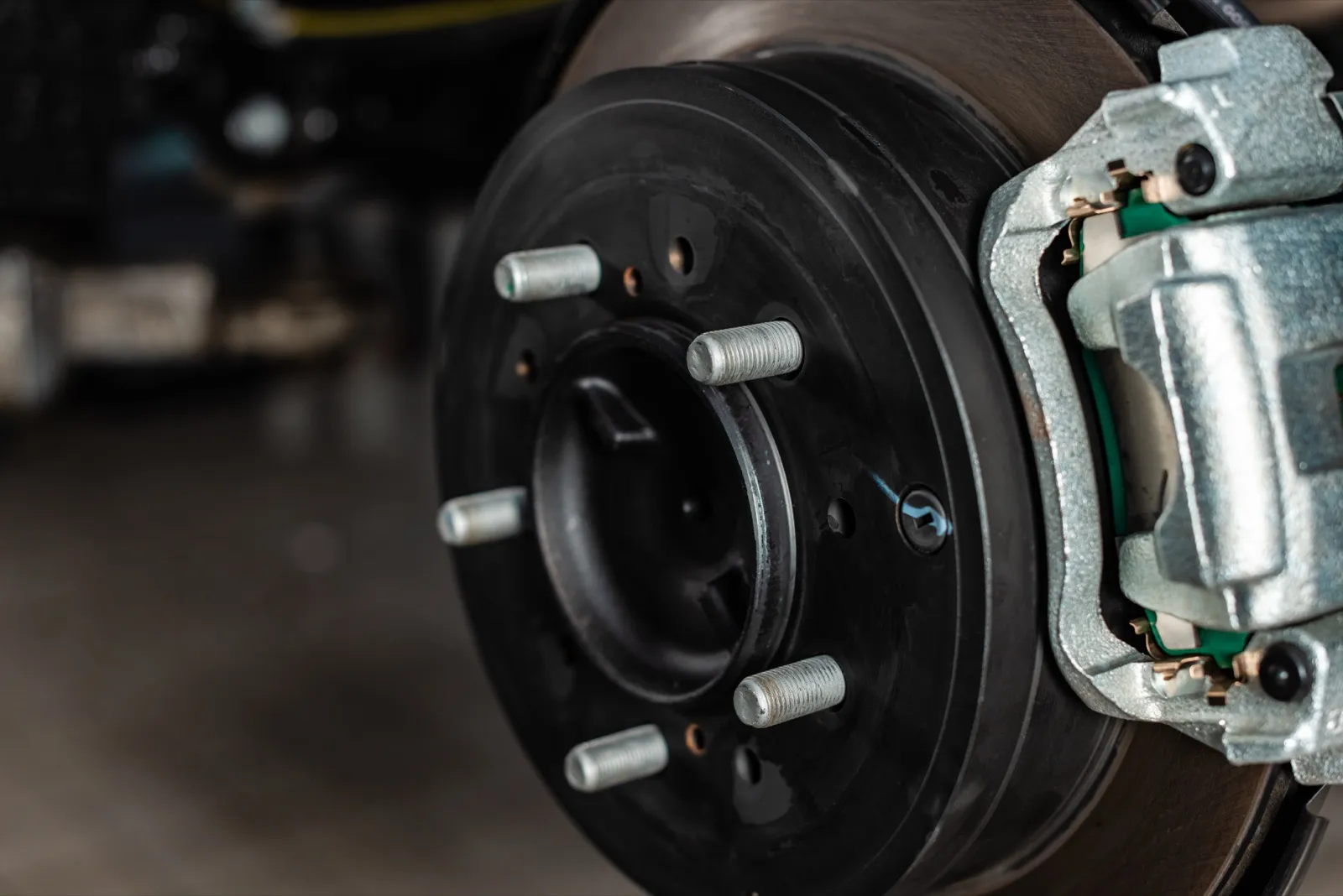
A high-pitched squeal when you brake is usually the built-in wear indicator: a small metal tab that starts contacting the rotor when the pad material gets thin. It's designed to be annoying, and it works. If you hear it on most stops, your pads are near the end of their life and it's time to have them measured.
Not every squeak means worn pads, though. In Minnesota, a light film of surface rust forms on rotors overnight, especially after rain, humid nights or a snowy stretch, and the first few stops of the morning can squeal or scrape until it wears off. If the noise disappears within a mile or so, it's usually harmless. If it sticks around, get it checked.
What does grinding when braking mean?
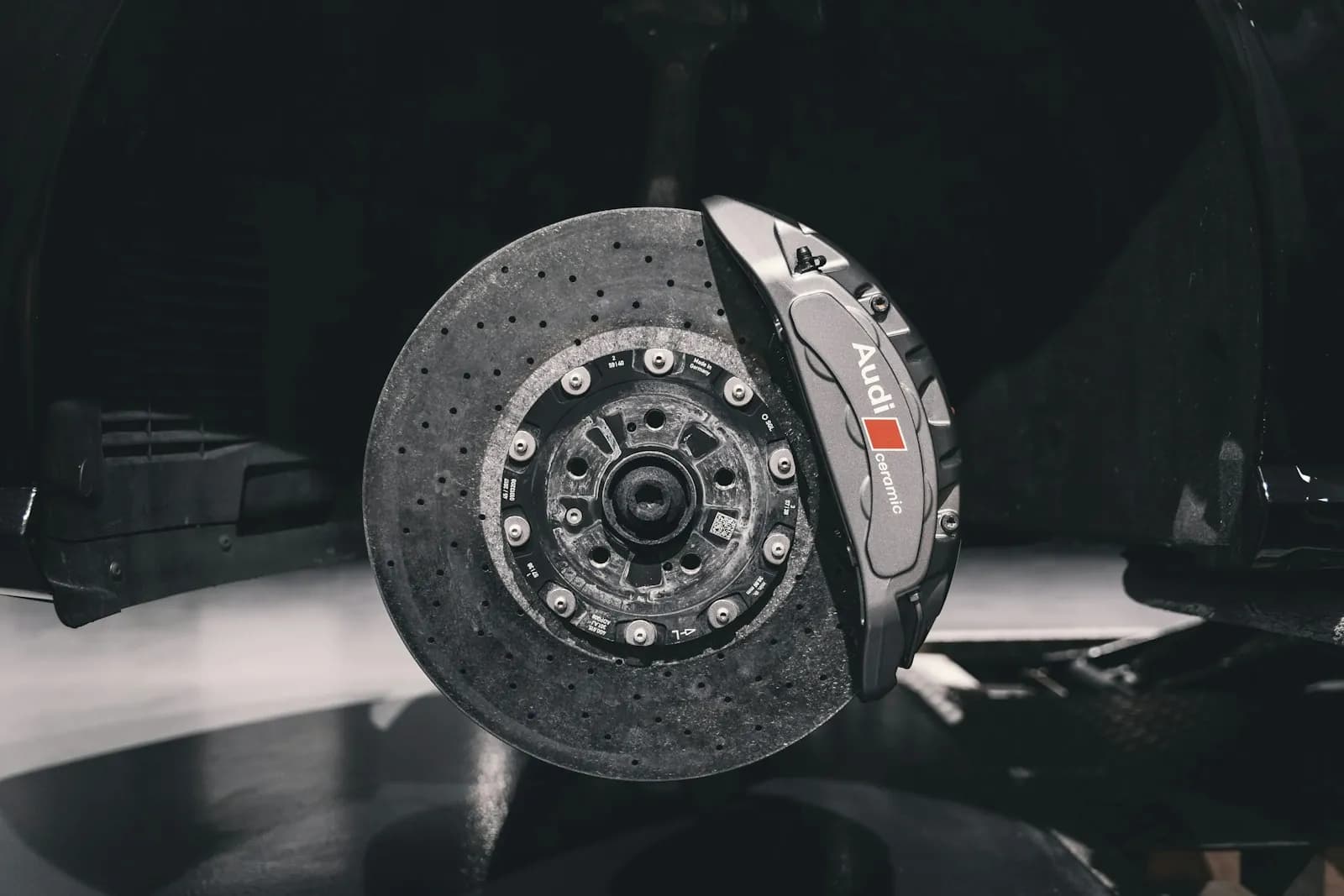
Grinding is the sound of metal on metal. The pad material is gone, and the pad's steel backing plate is being pressed directly into the rotor. This is the symptom you don't wait out: stopping distances get longer, and every stop grinds away at the rotor surface.
Worn pads are one of the more straightforward brake repairs. Ignoring them until they chew into the rotors and stress the calipers turns a small job into a much bigger one. If you're hearing grinding, call us at (320) 363-7246 and we'll get you in.
What does a soft brake pedal or vibration mean?
A soft or spongy pedal, one that sinks farther than usual before the brakes bite, can point to air or moisture in the brake fluid, a leak, or worn hydraulic components. Because it affects the system's ability to build pressure, it deserves prompt attention even if the car still stops.
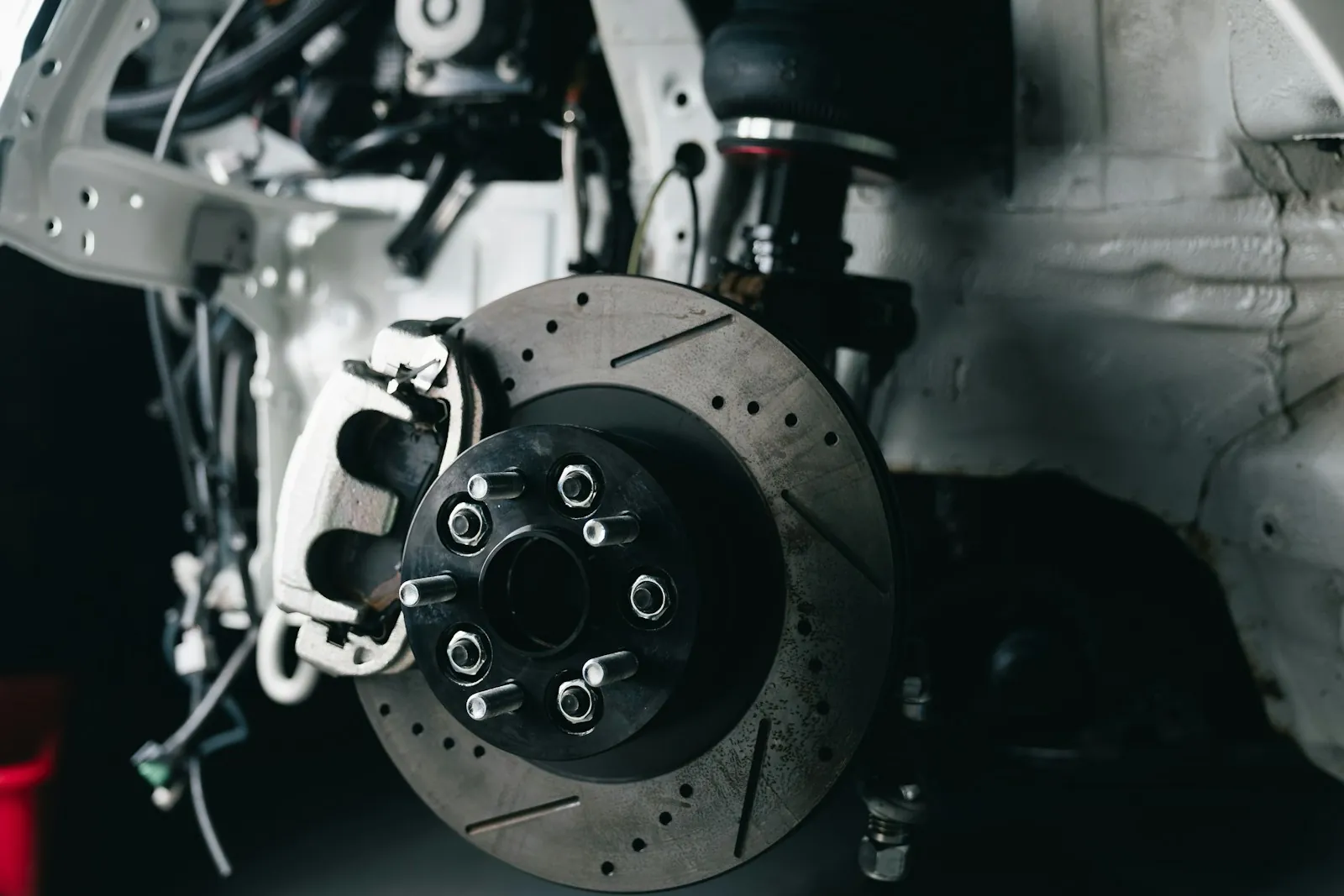
Vibration or pulsing when you brake usually means the rotors have worn unevenly or warped, often from heat. And if the car pulls to one side under braking, a caliper may be sticking or one side may be wearing faster than the other. None of these fix themselves, and our brake pads vs. rotors guide explains which parts are involved in each.
When should you replace brake pads?
Most brake pads last somewhere between 25,000 and 70,000 miles. The range is wide because driving habits matter so much: stop-and-go traffic, towing, gravel roads and hard braking wear pads far faster than easy highway miles. Two identical vehicles can need pads years apart.
That's why the honest answer isn't a mileage number. It's pad thickness. During a brake inspection we measure the pads, check rotor condition, and look over the calipers, hoses and fluid. Then we tell you plainly whether you've got plenty of life left or it's time. If you're not sure where your brakes stand, ask us to take a look at your next oil change or tire rotation.
Brake work is one of the most common jobs in our St. Joseph shop, and we've been doing it for drivers across the St. Cloud area since 1980. Learn more about our brake repair services, or request an appointment. We'll show you what we find and recommend only what your vehicle actually needs. Questions? Call (320) 363-7246.