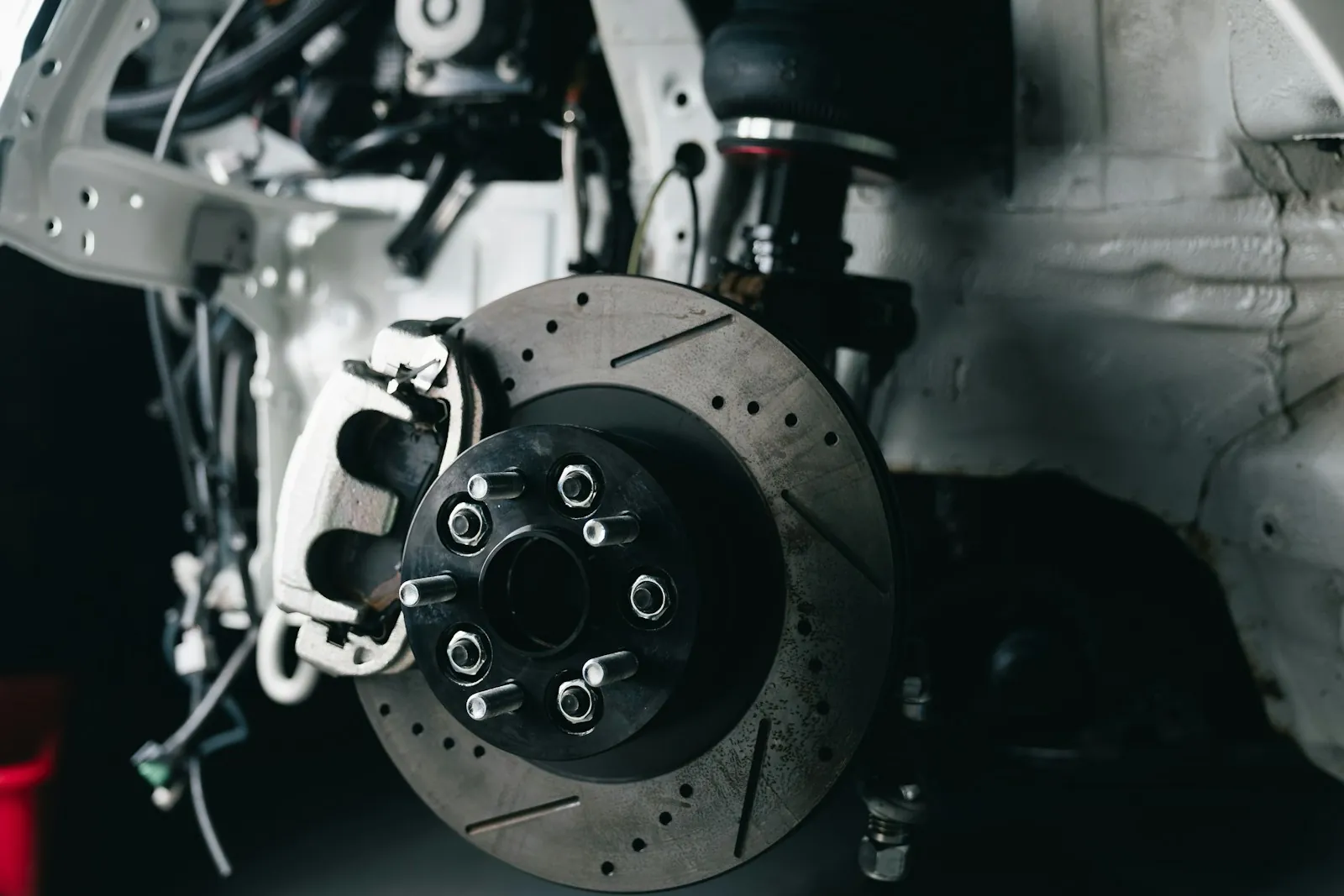
Brakes should be inspected at least once a year, or, easier to remember, every time your tires are rotated or your oil is changed. Since rotations run every 5,000 to 6,000 miles, that rhythm puts trained eyes on your brakes a couple of times a year, which is right for most drivers.
Why so regular? Because brakes wear gradually. You adapt to a longer pedal and a weaker bite without ever noticing, and by the time something feels obviously wrong, a small job has often grown into a bigger one. A periodic inspection takes the guesswork out.
Why once a year, or with every rotation?
Once a year is the floor. Even a low-mileage vehicle needs it, because brake parts age and corrode whether or not you drive much. For everyone else, tying the check to a rotation or oil change works because the interval lines up and, during a rotation, the wheels are already off the vehicle. That matters: you can't see much pad or rotor through the spokes of a wheel. With the wheel off, the whole corner is right there to measure.
What does a brake inspection cover?
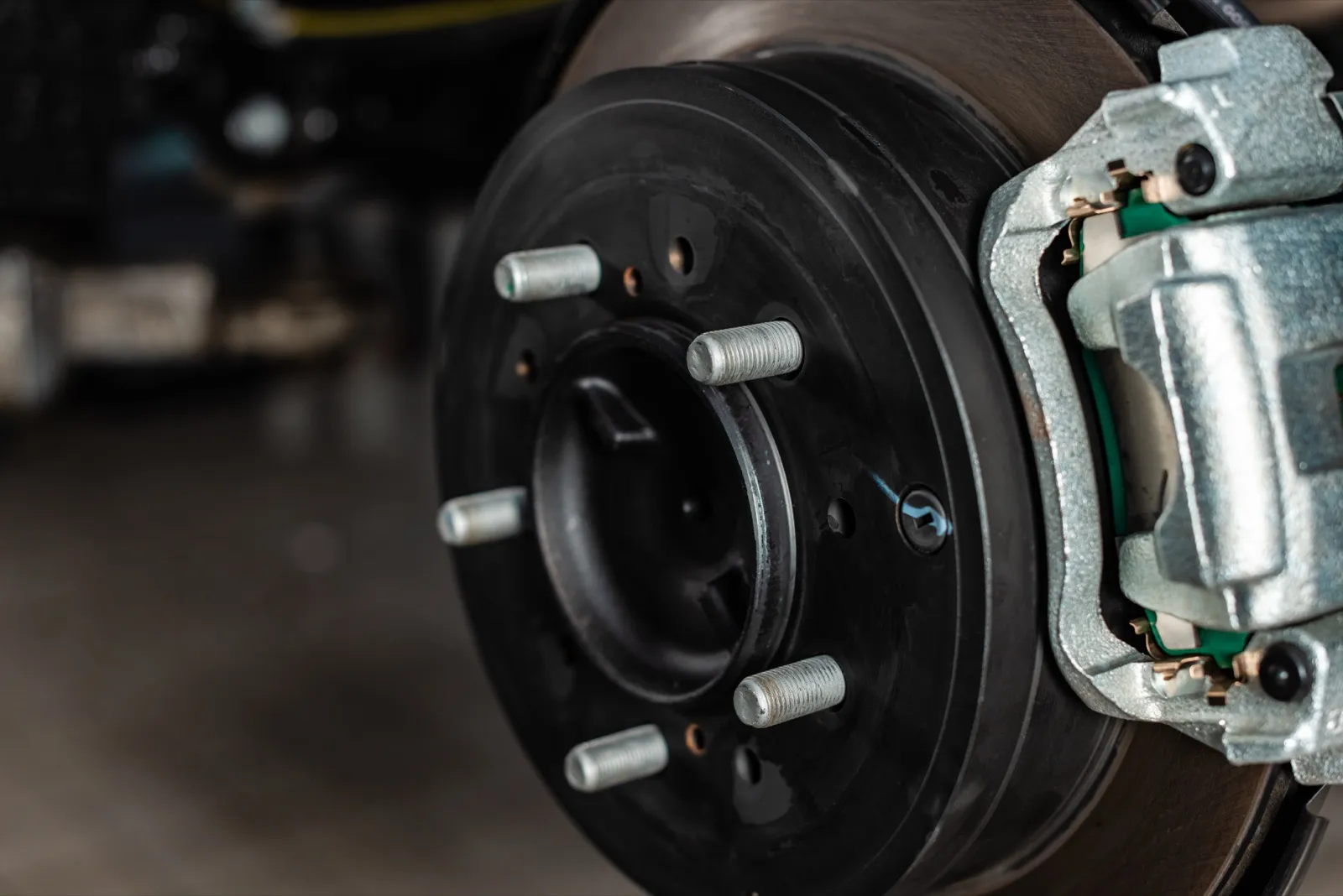
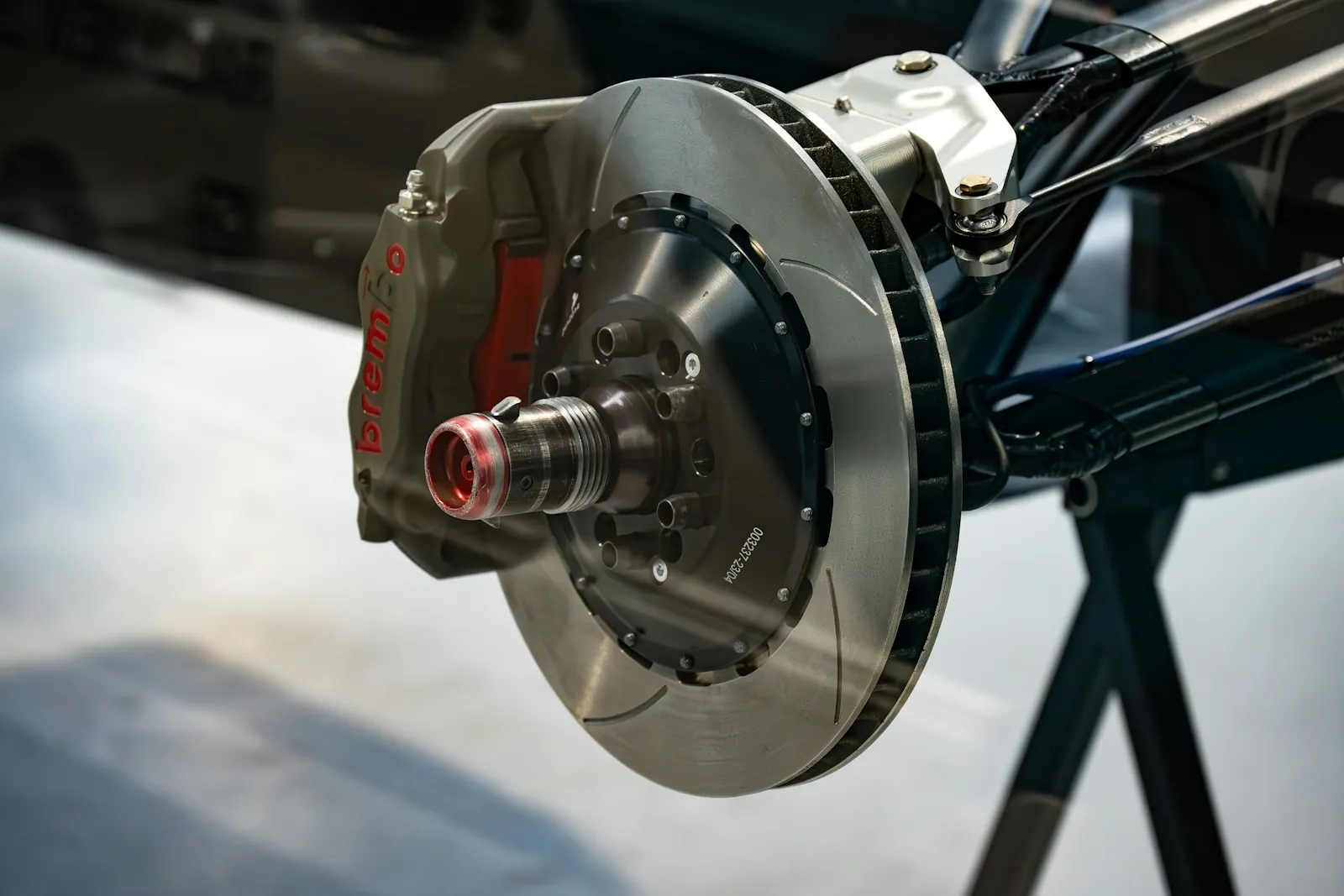
Pads and rotors come first. We measure the pads' remaining friction material against spec and check that both sides of the vehicle are wearing evenly. Uneven wear usually points at a problem elsewhere. The rotors get checked for thickness, scoring and rust; a warped or worn rotor is what causes that pulsing you feel in the pedal.
Calipers are next. A caliper that sticks instead of releasing drags the pad against the rotor full-time, wearing one corner out early and costing you fuel. In Minnesota, road salt and grit make rusty hardware and sticky slides more common than most drivers expect.
Brake fluid and lines round it out. Fluid absorbs moisture over time, which lowers its boiling point and corrodes the system from the inside, so we check its level and condition. We also trace the steel lines and rubber hoses for leaks, cracking and rust. A failing line is the one brake problem that can take away your whole pedal.
An inspection isn't a sales pitch, either. If your pads have half their life left, that's exactly what you'll hear from us, along with a rough idea of when to look again. You'll get an honest read on what's urgent, what can wait, and what's fine.
When should you have brakes checked sooner?
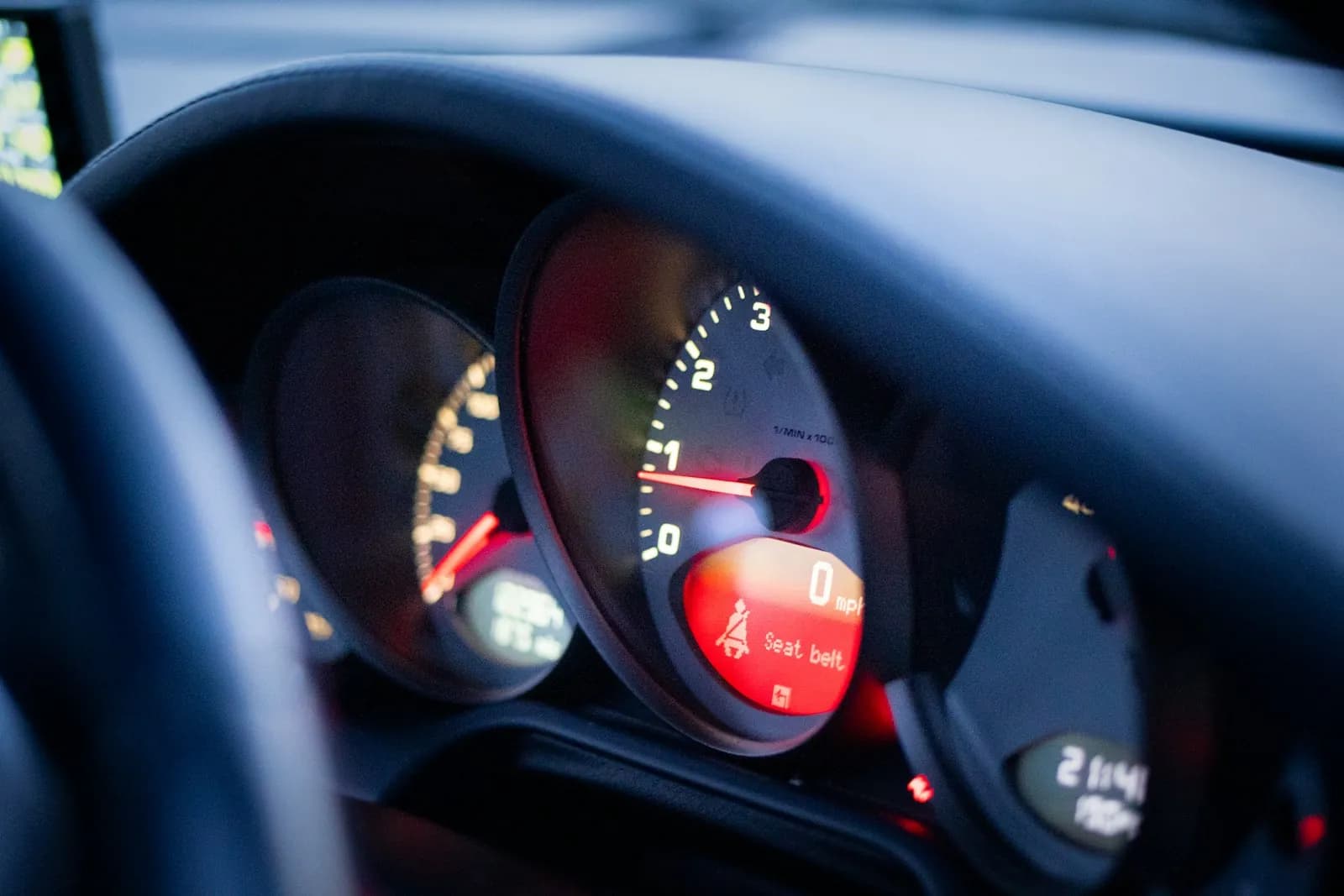
Don't wait for the calendar if something changes. Squealing or grinding, pulling to one side when you brake, a pulsing or soft pedal, longer stopping distances, or a brake warning light are all reasons for a look now instead of at your next rotation. Brake pads typically last 25,000 to 70,000 miles depending on the vehicle and how it's driven — stop-and-go city miles eat pads far faster than highway cruising — so symptoms can show up sooner than you'd expect.
The payoff of a regular inspection is simple: catching thin pads before they chew up the rotors, or a weeping hose before it fails, keeps the repair small and your stopping distances short. If it's been more than a year, or you honestly can't remember your last one, schedule a brake service visit or call us at (320) 363-7246. And if your brakes are already making noise, here are the signs you need new brakes worth acting on today.