Shopping for aftermarket wheels comes down to two things, in this order: fitment, then style. Offset, bolt pattern, diameter and width all have to be right for your vehicle before looks enter the conversation. A wheel that fits wrong can rub, wear your tires unevenly and stress your suspension, no matter how good it looks parked.
That said, new wheels are still one of the most dramatic upgrades you can make to a vehicle, and getting fitment right isn't complicated once you know what a few numbers mean. Here's the plain-English rundown.
What is wheel offset?
Wheel offset is the distance, measured in millimeters, between the wheel's mounting surface (the flat face that bolts to your hub) and the centerline of the wheel. Positive offset means the mounting surface sits toward the street side of the wheel, tucking the wheel in toward the vehicle. Negative offset moves it the other way, pushing the wheel outward for a wider, deeper-dish stance.
Most modern cars, trucks and SUVs leave the factory with positive offset. Small changes from the factory number are normal in the aftermarket world, but big swings cause real problems: too far in one direction and the tire rubs the inner fender or suspension parts; too far the other way and it rubs or pokes past the fender, changes the steering feel, and puts extra load on your wheel bearings. When in doubt, stay close to stock, or ask us to check the numbers before you buy.
How do bolt pattern and diameter affect fitment?
Bolt pattern is written as two numbers, like 5x114.3: the count of lug holes, then the diameter in millimeters of the circle they form. This one is non-negotiable: the pattern has to match your vehicle exactly. The center bore (the hole in the middle of the wheel) matters too. It should either match your hub or be fitted with hub-centric rings so the wheel sits perfectly centered instead of hanging on the lug studs.
Diameter is where style and practicality negotiate. Stepping up a size or two is common, but the tire's sidewall has to get shorter to keep the overall rolling diameter close to stock. That's what keeps your speedometer honest and your ride height where the engineers intended. The trade-off is comfort: less sidewall means a firmer ride and less cushion between your wheel and the road. On Minnesota's frost-heaved pavement and spring potholes, that cushion is worth more than it looks.
Width matters alongside diameter, too. A wider wheel needs an appropriately sized tire, and the combination affects how the tire wears and how the vehicle handles. This is math we do every day, so bring us the wheel you're eyeing and we'll tell you straight whether it works.
Style, finish and Minnesota winters
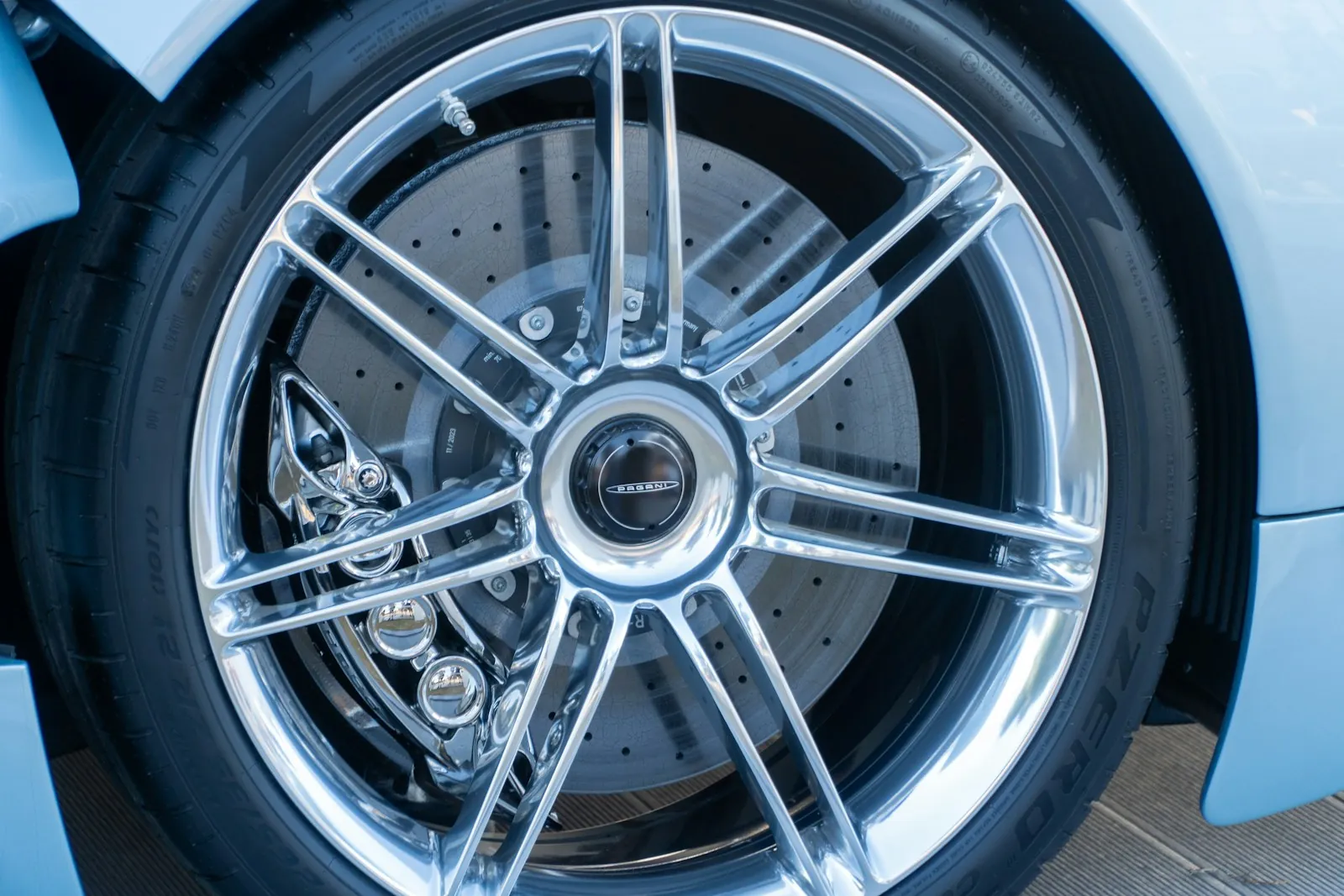
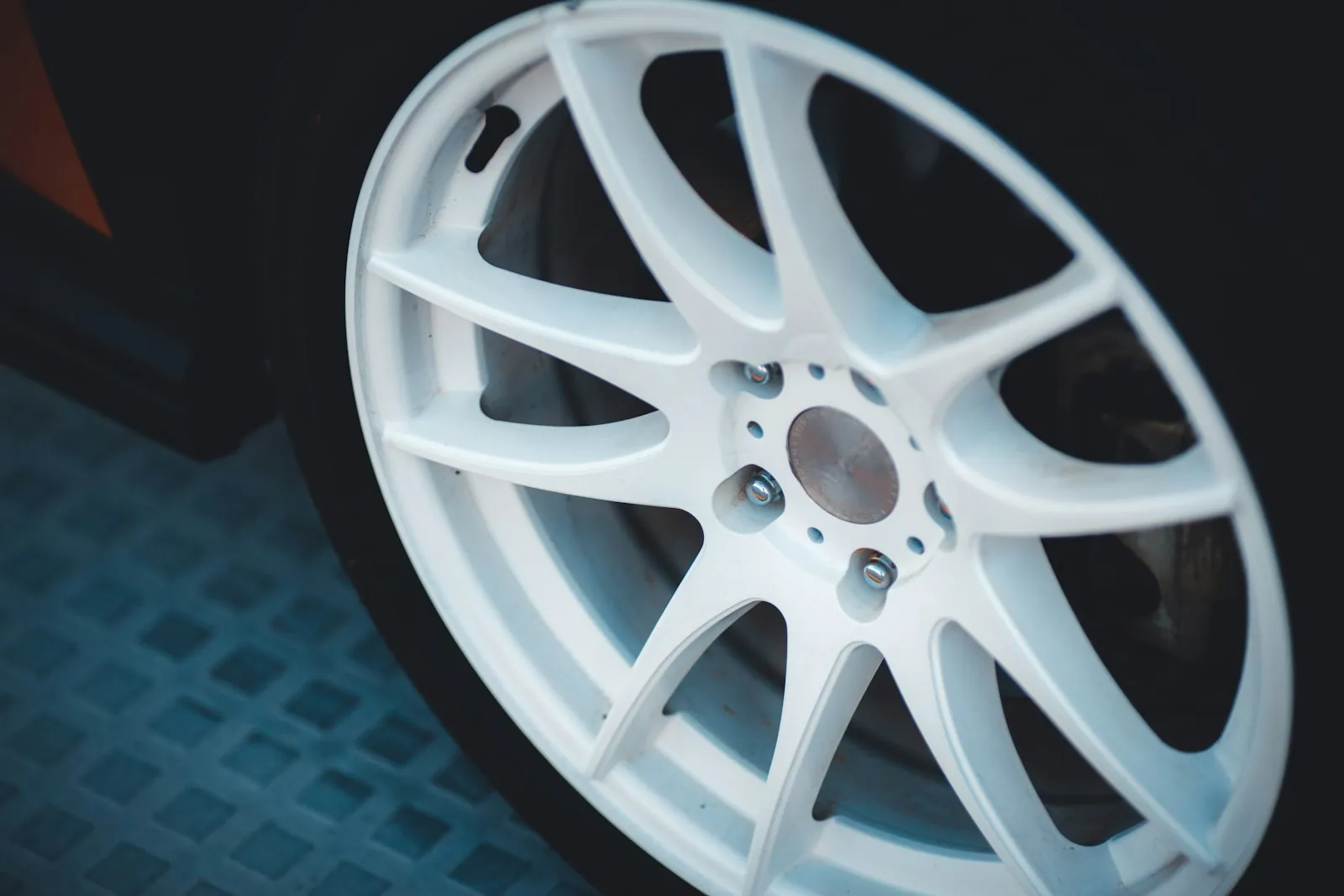
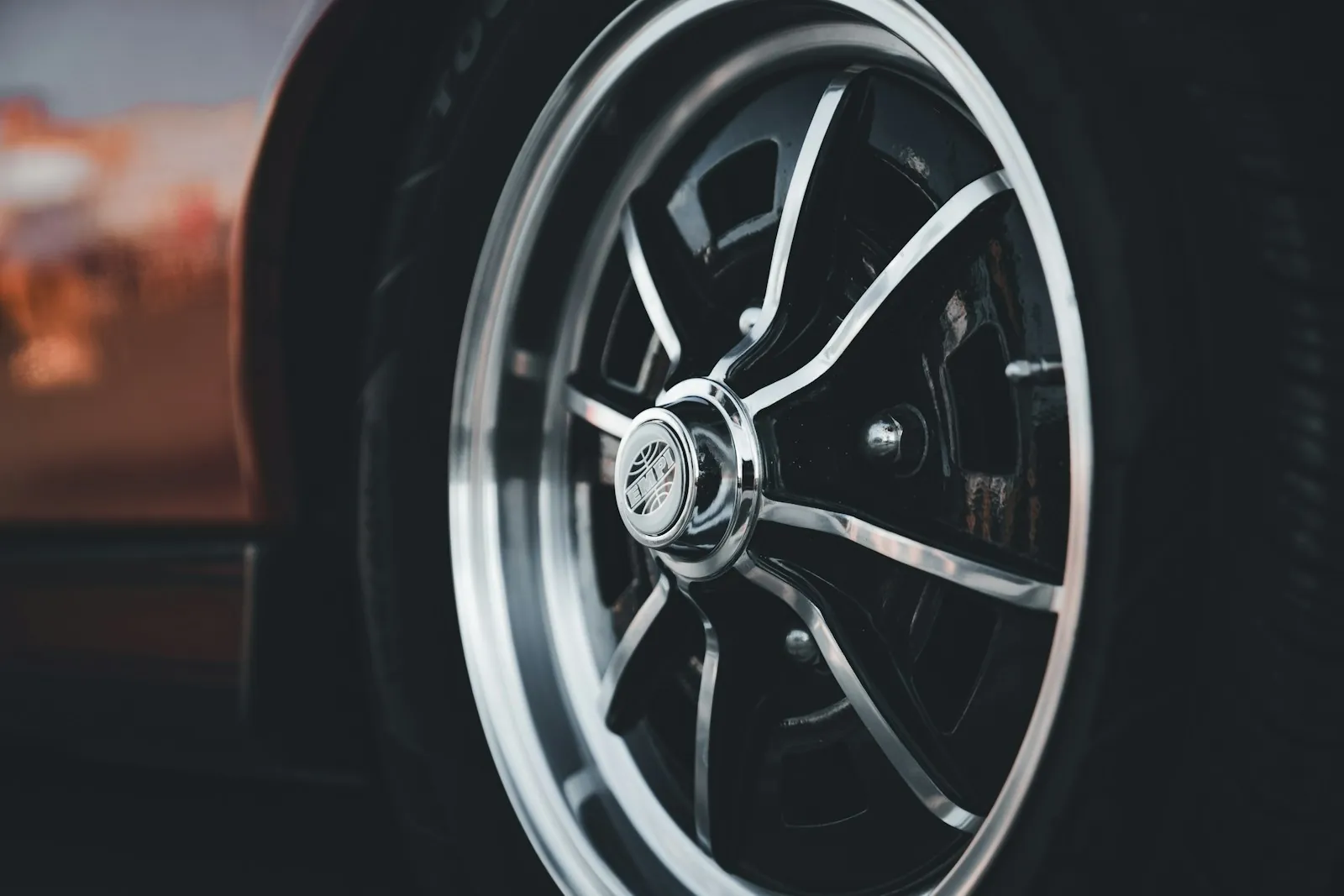
Once fitment checks out, the fun part starts. Polished, machined, painted, blacked-out: the look is entirely up to you, and we carry brands like American Racing, Forte, Vagare, Diablo, Gianna, MHT and Wheel Pros to cover everything from subtle factory-plus to full custom.
One honest note before you fall in love with a finish: Minnesota road salt and winter grit are hard on wheels. Polished and machined finishes need regular washing to stay sharp through the cold months. That's why many drivers here save their good alloys for three seasons and mount their winter tires on a second set of plain wheels. Our steel vs. alloy wheels guide explains why steel is the usual pick for winter duty.
Make it easy with a tire-and-wheel package
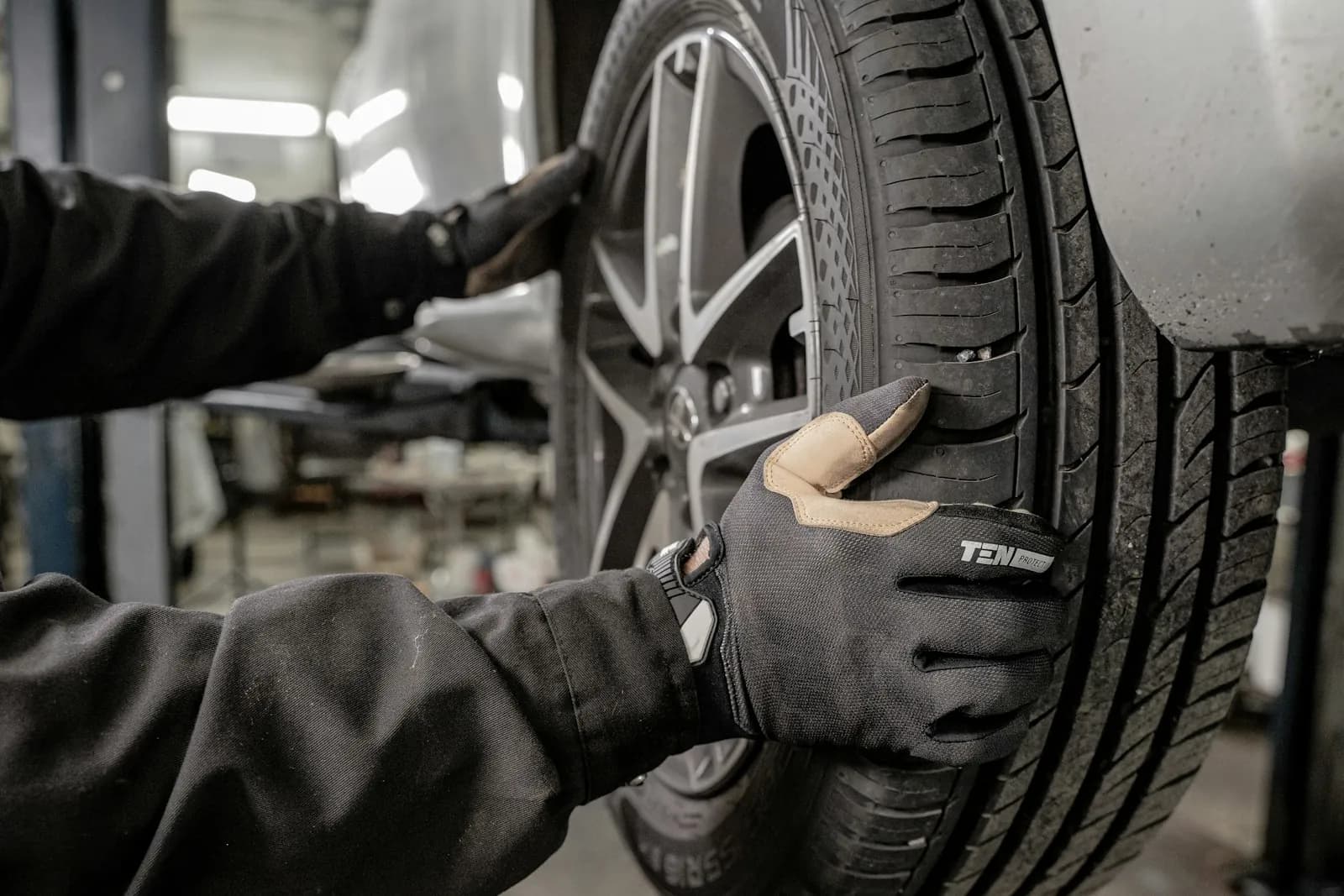
If your new wheels are a different size than your current setup, or your current tires are getting thin anyway, a tire-and-wheel package is often the simplest route: wheels and tires matched to each other and to your vehicle, mounted, balanced and ready to bolt on. It also avoids the classic mistake of buying wheels first, then discovering the tire size they need is a poor match for how you drive.
Not sure where to start? Stop in or call us at (320) 363-7246 with your vehicle's year, make and model. We'll narrow it down to wheels that genuinely fit, and leave the style call to you.