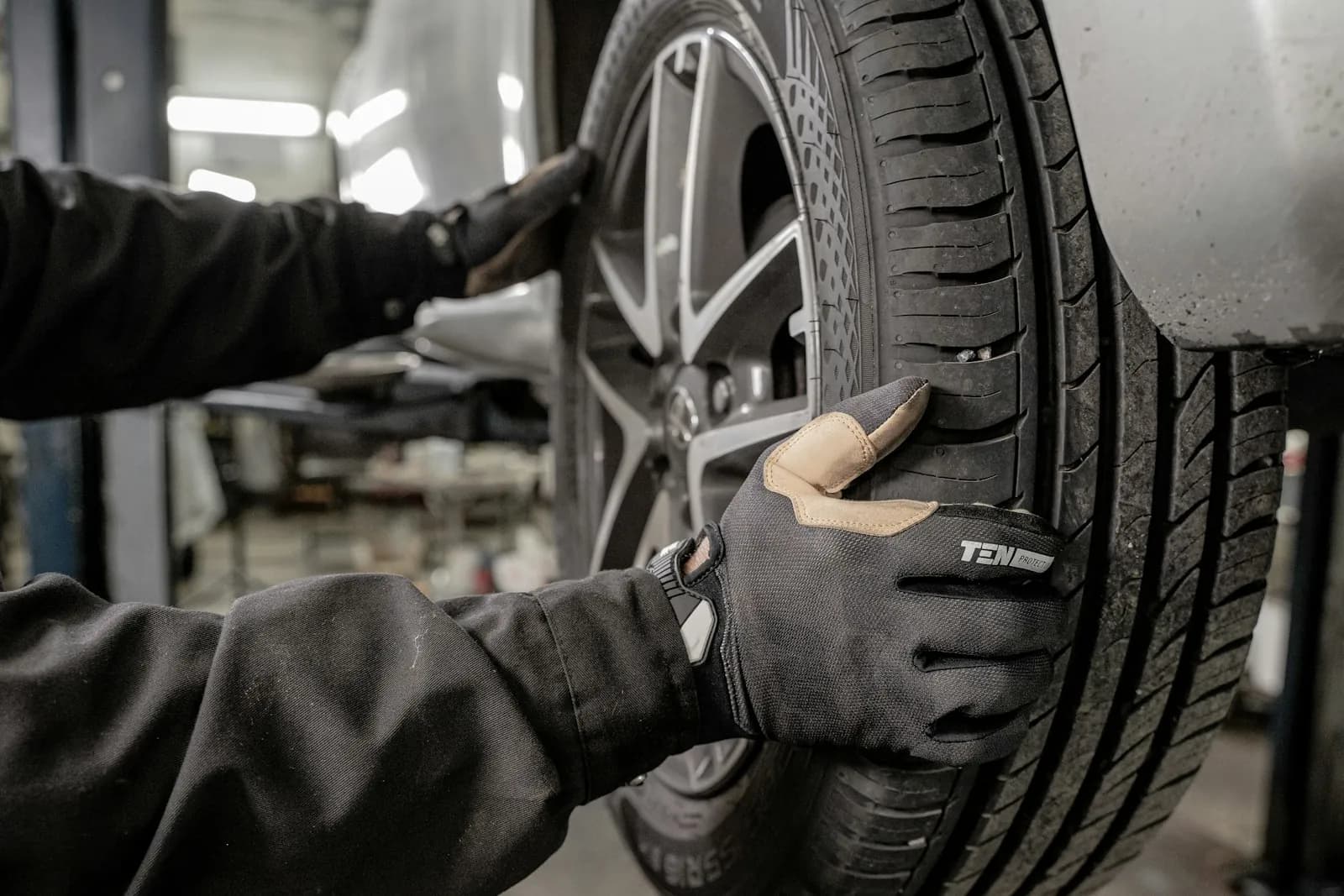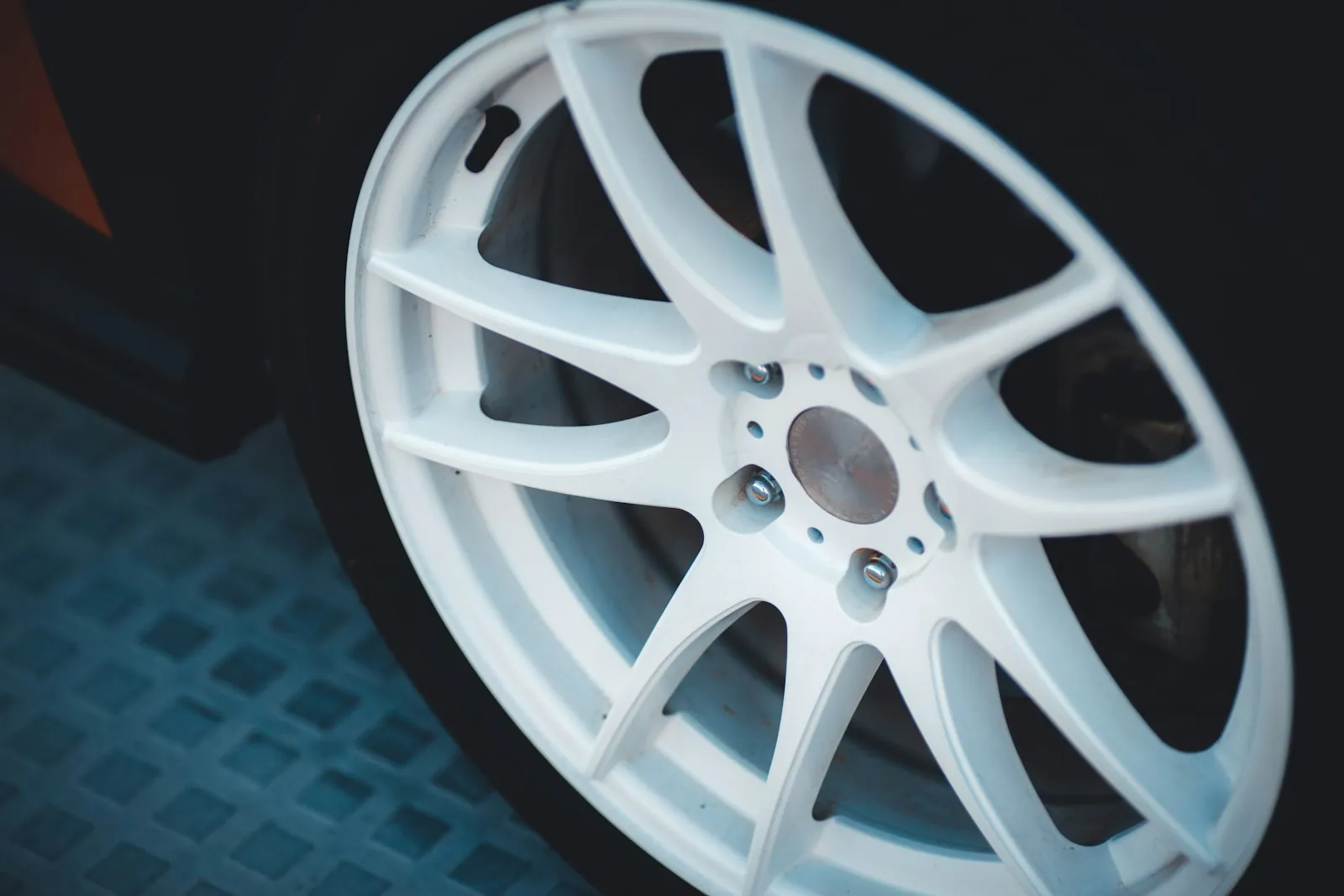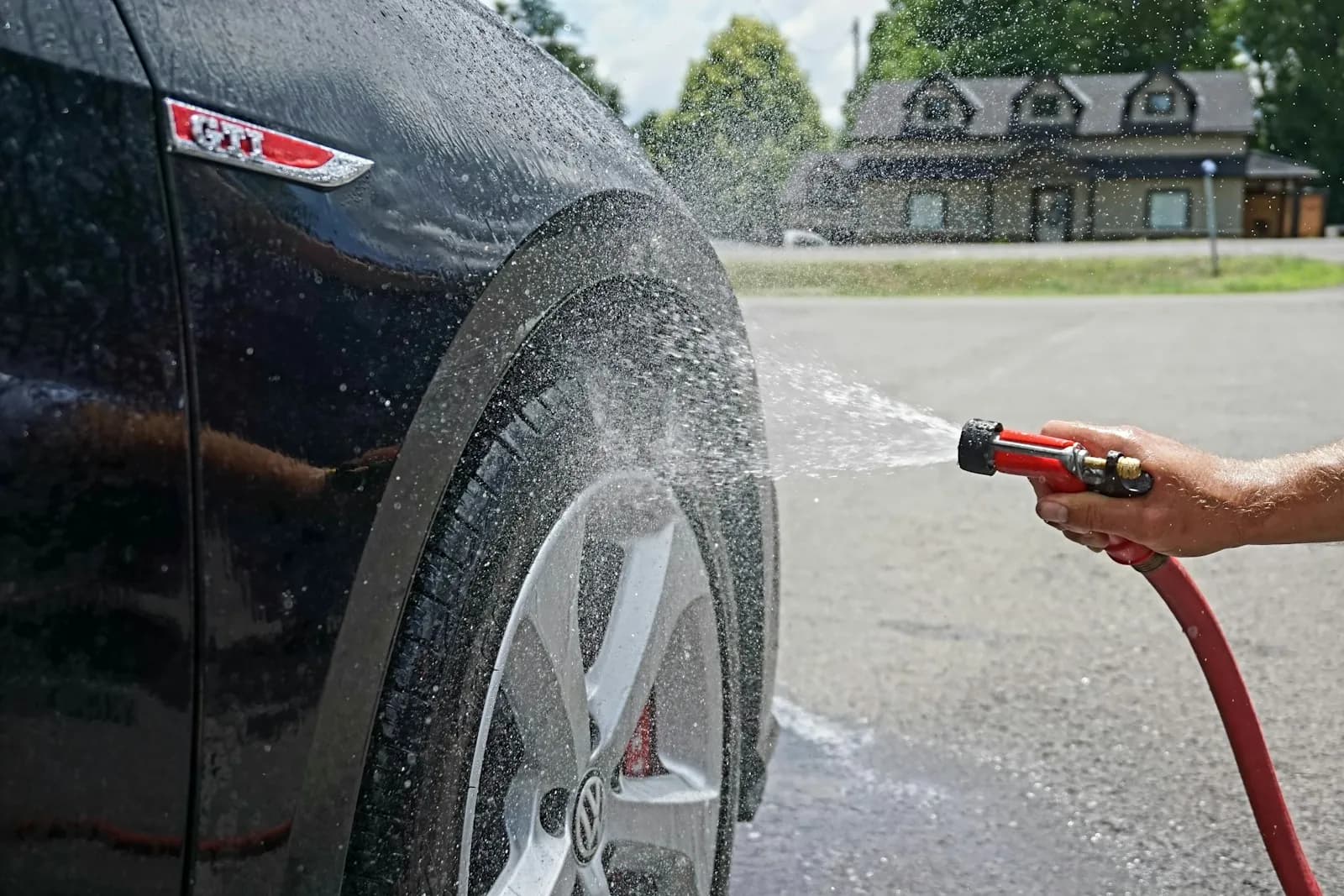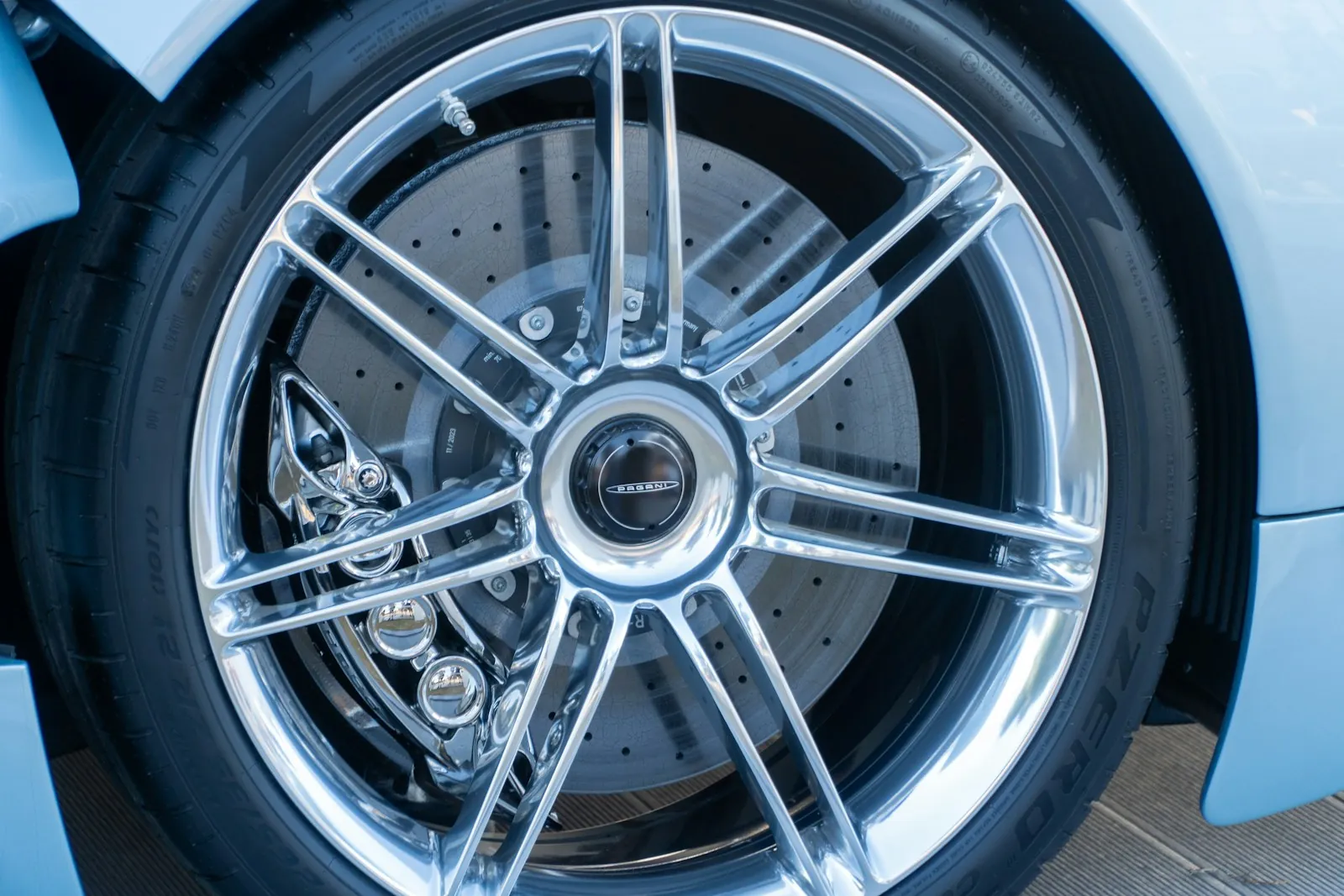
Here's the short answer: alloy wheels are the better everyday choice for most drivers: they're lighter, they handle better, and they're what nearly every modern vehicle comes with from the factory. Steel wheels win on toughness and cost, which is exactly why so many Minnesota drivers put their winter tires on a dedicated set of steel wheels. Alloys for most of the year, steel for the salt months. That's the setup we recommend more than any other.
What's the difference between steel and alloy wheels?
Steel wheels are stamped from sheets of steel and welded together. They're simple, strong and inexpensive, usually finished in black paint and often dressed up with a plastic hubcap. Alloy wheels are cast or forged from aluminum blends, which makes them lighter and lets manufacturers shape them into just about any style you can imagine.
That one difference, heavy and simple versus light and styled, drives almost everything else in this comparison.
When are steel wheels the better choice?
Steel wheels earn their keep on durability and price. When a steel wheel hits a pothole hard, it tends to bend rather than crack, and a bent steel wheel can often be straightened. They cost less to buy and less to worry about, since a scratch on a painted steel wheel is a shrug, not a heartbreak.
The trade-offs: steel is heavy, which you'll notice slightly in acceleration and fuel economy, and it comes in a limited range of mostly smaller sizes. Nobody buys steel wheels for the looks.
When are alloy wheels worth it?
Alloys are lighter, and less weight at each corner of the vehicle means sharper handling, better braking response and a slightly smoother ride. They dissipate brake heat better, they come in every size and style, and they simply look better, which matters, since wheels do a lot for a vehicle's appearance.
The trade-offs run the other way: a hard pothole hit can crack an alloy rather than bend it, repairs are more involved, and bright or polished finishes take real abuse from Minnesota road salt. If you run alloys through winter, rinse them often and keep the finish sealed.
Steel wheels for Minnesota winter
This is where steel makes its strongest case. Minnesota winters throw everything bad for wheels at you at once: road salt that corrodes finishes, freeze-thaw potholes that bend and crack rims, and months of grime hiding the damage. Steel shrugs most of that off.
The setup we recommend to a lot of customers: mount your winter tires on their own set of steel wheels. Your tires get mounted once instead of being pulled on and off your good wheels twice a year, which is easier on the tire beads and your TPMS sensors, and each seasonal changeover becomes a quick swap instead of a full mount-and-balance. You keep the off-season set at home, and your factory alloys sit out the salt entirely.
Two things to sort out before you buy: some vehicles can run a slightly smaller wheel diameter in winter (a narrower winter tire with a taller sidewall often bites better in snow), but it has to clear your brakes. And a second set of wheels may need its own TPMS sensors to keep your dash light off. We'll confirm both for your vehicle before you buy.
So which should you choose?
If you run one set of tires year-round, keep the alloys your vehicle came with and give them a little extra care during salt season. If you run dedicated winter tires — and in Central Minnesota, that's a smart move — a set of steel wheels for the winter set is the practical pick. And if you're after a style upgrade, browse our wheel lineup and we'll make sure whatever you love actually fits.
Cost depends on your vehicle, wheel size and what's available, so the easiest path is to ask. Call us at (320) 363-7246 or request an appointment and we'll price out a setup that makes sense for how you drive.